Black Cohosh for Hot Flashes in HormoneFlux, Explained

Updated September 2026 · reviewed by the HormoneFlux Research Team. We are an independent information resource, not a medical provider, and this article is educational rather than medical advice.
Black cohosh for hot flashes is the traditional use of Actaea racemosa, a North American woodland root, to help soften the flushing and night-sweat sensations of the menopausal transition — and it is the cornerstone botanical in HormoneFlux. The evidence for it is real but mixed rather than conclusive, which is exactly why it belongs in a thoughtfully built blend and not on a pedestal. This guide covers what the herb is, what the NIH says, how it is dosed, and why it leads the formula.
Black cohosh and hot flashes, in one honest paragraph.
- The short version
- Black cohosh is the most-used menopause botanical for hot-flash comfort; research is mixed, so treat it as traditional support, not a cure.
- The plant
- Actaea racemosa (formerly Cimicifuga racemosa) — the root and rhizome are what goes into supplements.
- Typical dose
- Standardised root extract around 20–40 mg once or twice daily, the range HormoneFlux stays within.
- Timeframe
- It works gradually; most women give it 8–12 weeks of daily use before judging the fit.
- Safety
- Generally well tolerated; not for pregnancy or nursing, and anyone on medication should ask a doctor first.
Few plants have travelled as far in women’s wellness as black cohosh. Used by Indigenous peoples of North America long before it reached European herbal cabinets, it is now the single most recognisable name in the menopause-supplement aisle — and in HormoneFlux, its lead placement is deliberate. Below we unpack what the herb is, where the science stands, and how to think about dose and safety.
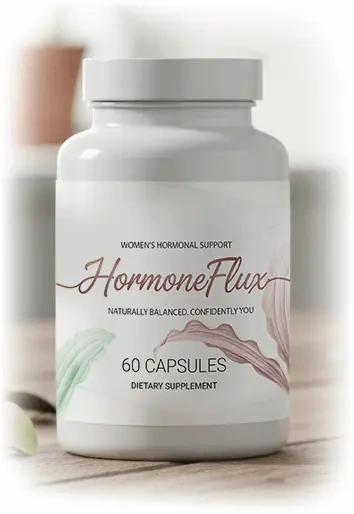
What is black cohosh, and where does it come from?
Black cohosh is a flowering woodland plant, Actaea racemosa, whose root and underground stem are dried and extracted for use in supplements. Native to the eastern forests of North America, it produces tall white flower spikes and was long a staple of traditional herbal practice among Indigenous communities, who used it for a range of women’s complaints. When it reached nineteenth-century apothecaries it kept that reputation, and it has carried it into the modern supplement era largely unchanged.
For a label reader, what matters is that the useful part is the root and rhizome, not the leaves or flowers, and that quality formulas use a standardised extract so each capsule delivers a consistent amount. HormoneFlux uses a standardised root-and-rhizome extract for exactly that reason.
Is actaea racemosa the same as cimicifuga racemosa?
Yes — Actaea racemosa and Cimicifuga racemosa are two names for one plant. Botanists reclassified black cohosh from the genus Cimicifuga into Actaea, so older research papers and product labels may still say “Cimicifuga” while newer ones say “Actaea.” If you see either on an ingredient panel, you are looking at the same root. This small naming quirk trips up a lot of shoppers comparing studies, so it is worth remembering. It is a point we return to when looking at black cohosh vs red clover for menopause.
What are the main actaea racemosa benefits people look for?
The actaea racemosa benefits most associated with black cohosh centre on the comfort of the menopausal transition rather than on any single body system. Traditionally, women have reached for it during perimenopause and menopause for the familiar cluster of changes that come with shifting oestrogen. It is important to frame these as traditional and general uses, not medical claims — the herb is a support, not a therapy.
- Hot-flash and night-sweat comfort — the reason most women first hear about it.
- General menopausal ease — a steadier sense of day-to-day comfort through the transition.
- Mood and sleep support in context — often discussed alongside the above, since these tend to travel together.
- A non-hormonal traditional option — black cohosh is not an oestrogen and is not hormone therapy.
One point worth stressing: black cohosh is not a phytoestrogen in the way soy or red clover isoflavones are. Its mechanism is still debated, and current thinking leans away from a simple oestrogen-like action. That nuance is part of why it is studied so much — and why single-ingredient certainty remains elusive.
What does the NIH NCCIH say about black cohosh for hot flashes?
The U.S. National Center for Complementary and Integrative Health (NCCIH), part of the NIH, describes black cohosh as one of the most popular herbs for menopausal symptoms while noting that the research is inconsistent. In plain terms: some studies suggest it may help with hot flashes and related symptoms, and others find it works no better than a placebo. NCCIH does not endorse it as a proven treatment, and it flags that study quality and product variability make firm conclusions difficult. That question is taken apart in more detail in our piece on adaptogens for women’s hormones. The pooled trial evidence behind that sits in Sadahiro R et al., Black cohosh extracts in women with menopausal symptoms: an updated pairwise meta-analysis, Menopause (2023).
This is the honest, evidence-led picture, and the one HormoneFlux stands behind: black cohosh has a long traditional history and a genuine research signal, but not the kind of settled proof that lets anyone promise a result. That is precisely why it belongs inside a broader blend, contributing alongside other women’s botanicals rather than carrying the whole load alone.
| Question | What the evidence broadly supports | Confidence |
|---|---|---|
| Long traditional use for menopause? | Yes — centuries of documented use | High |
| May ease hot flashes for some women? | Plausible — mixed trial results | Moderate |
| Proven to treat or cure anything? | No — no such claim is supported | — |
| Acts like oestrogen (phytoestrogen)? | Unlikely — mechanism still debated | Low |
| Generally well tolerated short-term? | Yes — for most healthy adults | Moderate |


Want to see the exact dose in HormoneFlux?
HormoneFlux pairs standardised black cohosh root extract with chasteberry, dong quai, maca and more in one daily vegetarian capsule. The six-bottle bundle is the best value at $49 per bottle, with free U.S. shipping and a 90-day guarantee.
See the exact dose in HormoneFlux — from $49/bottleWhat is a sensible black cohosh dosage?
A sensible black cohosh dosage, based on how it has been studied, is a standardised root-and-rhizome extract of roughly 20 to 40 mg taken once or twice daily. Many clinical trials clustered around a standardised extract delivering the equivalent of about 40 mg of the herb per day, and traditional-use guidance sits in the same neighbourhood. There is no benefit to megadosing; more is not better with botanicals, and consistency at a moderate dose is what the tradition rewards. For the wider picture, our guide to sage leaf for hot flashes follows the same thread. The clinical record on this point is set out in Ruan X et al., Benefit-risk profile of black cohosh (isopropanolic Cimicifuga racemosa extract) with and without St John's wort in breast cancer patients, Climacteric (2019).
HormoneFlux keeps its black cohosh within this everyday, well-precedented range and does not push it to extremes — the aim is a balanced blend, not a single loud ingredient. Whatever product you use, follow the label, take it at the same time each day, and treat the numbers below as an orientation rather than a prescription.
| Form | Common daily range | Notes |
|---|---|---|
| Standardised root/rhizome extract | ~20–40 mg | The most-studied form; often split into one or two doses. |
| As part of a women’s blend | Within the same range | How HormoneFlux uses it — alongside other botanicals. |
| Duration before judging | 8–12 weeks | Builds gradually; not a same-day remedy. |
| When to pause and ask a doctor | Any medication or condition | Especially liver concerns, pregnancy or nursing. |
Check today’s HormoneFlux pricing →
Is black cohosh safe, and who should avoid it?
For most healthy adults, black cohosh is generally well tolerated at the doses used in supplements, with the most common complaints being mild and digestive. That said, no botanical is right for everyone. It is not recommended during pregnancy or breastfeeding, and there have been rare reports of liver-related concerns in the medical literature — the reason anyone with liver problems, or taking any medication, should talk to a doctor before starting. This is general information, not personal medical advice. That literature is reviewed in Naser B et al., Weight gain in menopause: systematic review of adverse events in women treated with black cohosh, Climacteric (2022).
Because black cohosh is a traditional support rather than a treatment, the sensible frame is simple: use a quality standardised product, keep to the label, give it time, and loop in your doctor if you have any diagnosed condition, take prescription medicine, or notice anything that concerns you. For the wider picture of how these botanicals fit together, our guide to black cohosh and chasteberry for menopause is a useful companion read. We unpack the practical side of that in wild yam for menopause.
Why does black cohosh lead the HormoneFlux blend?
Black cohosh leads HormoneFlux because it is the botanical most closely tied to menopausal comfort in both tradition and the research conversation, which makes it the natural anchor for a women’s formula built around the transition. Rather than betting everything on one herb, HormoneFlux surrounds its standardised black cohosh with chasteberry for monthly balance, dong quai and wild yam from the traditional women’s-tonic canon, and maca and sage for everyday vitality and comfort. The idea is coverage across the whole experience, not a spotlight on a single sensation.
That design also answers the limitation raised earlier: if the single-ingredient evidence is mixed, a well-considered blend lets each botanical contribute its traditional strength while the formula as a whole aims for steadier day-to-day comfort. See the complete panel in the HormoneFlux ingredients section, or read our primer on how to support hormone balance naturally.
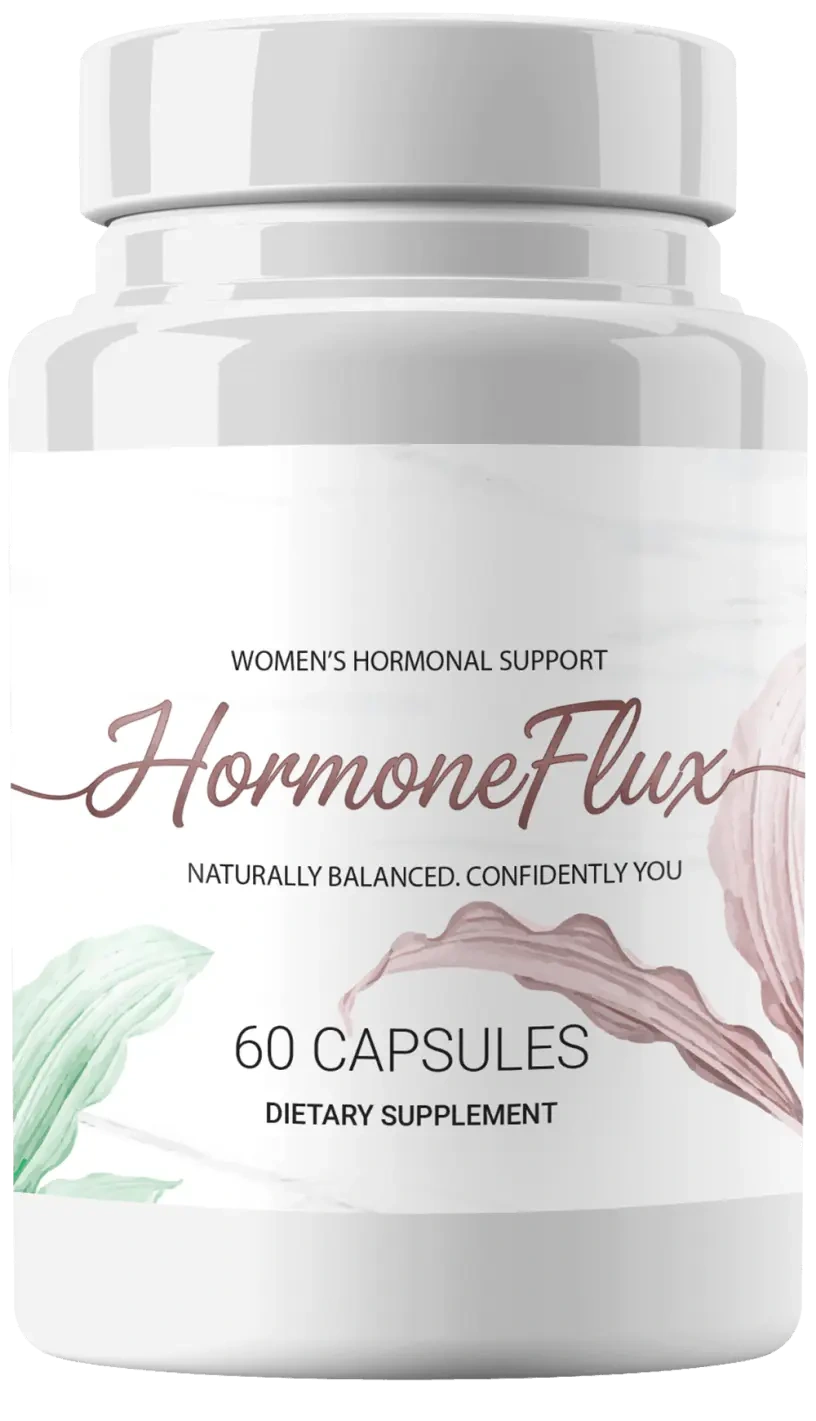
Frequently asked questions
Does black cohosh help with hot flashes?
Black cohosh is one of the most-studied botanicals for menopausal comfort, and it is traditionally used for the flushing and night-sweat sensations of the transition. Formal research is mixed - some trials show benefit and others show little difference from placebo - so it is best seen as a gentle, traditionally used support rather than a proven treatment. Results vary from woman to woman.
What is actaea racemosa, and is it the same as black cohosh?
Actaea racemosa is the current botanical name for black cohosh, a flowering woodland plant native to North America that was formerly classified as Cimicifuga racemosa. The root and rhizome are the parts used in supplements, and the two names refer to exactly the same plant.
What is a typical black cohosh dosage?
Studies have commonly used standardised root and rhizome extracts in the range of roughly 20 to 40 mg once or twice daily, which is where most traditional-use guidance sits. HormoneFlux keeps its black cohosh within this everyday range as part of a multi-botanical blend. Follow the label and ask your doctor about the right amount for you.
How long does black cohosh take to work?
Black cohosh is not a fast-acting remedy; women who use it typically give it several weeks, and often eight to twelve, before judging how it fits their routine. Because it builds gradually, taking it at the same time each day matters more than any single dose.
Is black cohosh safe?
For most healthy adults, black cohosh is generally well tolerated in the amounts used in supplements, with occasional mild digestive upset. It is not recommended during pregnancy or breastfeeding, and rare reports of liver concerns mean anyone with liver problems, or on medication, should speak with a doctor before starting. This is general information, not medical advice.
Why is black cohosh the lead ingredient in HormoneFlux?
Black cohosh leads the HormoneFlux blend because it is the single botanical most associated with menopausal comfort in both traditional use and the research conversation. HormoneFlux pairs it with chasteberry, dong quai, maca and other women's botanicals so the formula supports the whole transition rather than one sensation alone.
Try HormoneFlux risk-free for 90 days →
HormoneFlux is a dietary supplement, not a treatment for any medical condition. These statements have not been evaluated by the Food and Drug Administration. This product is not intended to diagnose, treat, cure or prevent any disease. Always consult a qualified healthcare professional about your individual needs.
References & further reading
- National Center for Complementary and Integrative Health (NCCIH). Black Cohosh. nccih.nih.gov/health/black-cohosh
- National Center for Complementary and Integrative Health (NCCIH). Menopausal Symptoms and Complementary Health Approaches. nccih.nih.gov/health/menopausal-symptoms-in-depth
- National Institutes of Health, Office of Dietary Supplements & MedlinePlus. Black cohosh. medlineplus.gov/druginfo/natural/857.html
- Examine.com. Black Cohosh (Actaea racemosa). examine.com/supplements/black-cohosh
- Sadahiro R et al. Black cohosh extracts in women with menopausal symptoms: an updated pairwise meta-analysis. Menopause, 2023. pubmed.ncbi.nlm.nih.gov/37192826
- Mayo Clinic. Menopause — Diagnosis & treatment. mayoclinic.org/diseases-conditions/menopause
- Ruan X et al. Benefit-risk profile of black cohosh (isopropanolic Cimicifuga racemosa extract) with and without St John's wort in breast cancer patients. Climacteric, 2019. pubmed.ncbi.nlm.nih.gov/30626212
- Naser B et al. Weight gain in menopause: systematic review of adverse events in women treated with black cohosh. Climacteric, 2022. pubmed.ncbi.nlm.nih.gov/34608830
These references describe the ingredient and its traditional use in general terms and do not constitute evidence that any product treats, cures or prevents any condition.
Keep reading: black cohosh & chasteberry for menopause · how to support hormone balance naturally · the best foods for hormone balance · back to the HormoneFlux blog · homepage.