Sage for Hot Flashes and Night Sweats in HormoneFlux, Explained

Updated September 2026 · reviewed by the HormoneFlux Research Team. We are an independent information resource, not a medical provider, and this article is educational rather than medical advice.
Sage for hot flashes is the traditional European use of Salvia officinalis, the common garden sage, to cool the flushing and quiet the night sweats of the menopausal transition — and it is one of the comfort botanicals inside HormoneFlux. Unlike the phytoestrogen herbs in the blend, sage is best known for the sweating side of menopause, and it carries a small but genuine modern research signal. This guide covers what sage is, what the evidence shows, how it is dosed, and how it fits the formula.
Sage, hot flashes and night sweats, in one honest paragraph.
- The short version
- Sage has a long history for menopausal sweating and one supportive clinical trial; treat it as promising traditional support, not a cure.
- The plant
- Salvia officinalis — common kitchen sage; the aromatic leaf is what goes into supplements.
- Typical dose
- Standardised leaf extract equal to roughly 280–300 mg of leaf once daily, the range HormoneFlux stays within.
- Timeframe
- It works gradually; most women give it 4–8 weeks of daily use before judging the fit.
- Safety
- Culinary and sensible doses are well tolerated; not for pregnancy or nursing, and ask a doctor if on medication.
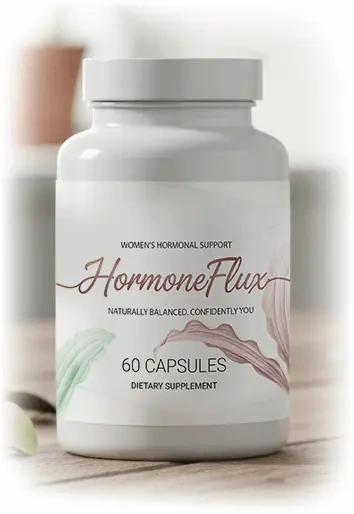
Sage is the herb almost everyone already has in the spice rack, yet its place in women’s wellness is far older than its place in the kitchen. European herbalists reached for Salvia officinalis for excessive sweating for centuries, and that reputation — not its flavour — is why it appears on menopause labels today. In HormoneFlux, sage is included because it speaks to a symptom the phytoestrogen botanicals do not always cover.
What is sage, and why is it used for hot flashes?
Sage is Salvia officinalis, an aromatic Mediterranean shrub whose grey-green leaves are dried and extracted for both cooking and traditional herbal use. The reason it is used for hot flashes has nothing to do with seasoning — historically, sage was the go-to European remedy for excessive perspiration, and menopausal night sweats and flushes are a natural extension of that reputation. Where black cohosh entered women’s wellness through North American herbal practice, sage came down through continental European tradition, so the two botanicals complement rather than duplicate each other.
For a label reader, the useful part is the leaf, and quality formulas use a standardised leaf extract so each dose delivers a consistent amount. HormoneFlux uses a standardised sage leaf extract for exactly that reason.
Is salvia officinalis the same as the sage in my kitchen?
Yes — the Salvia officinalis on a supplement panel is the same common or garden sage sold as a culinary herb. What differs is not the species but the preparation: a supplement uses a concentrated, standardised leaf extract rather than a pinch of dried leaf. One clear line is worth drawing: garden sage is entirely different from Salvia divinorum, an unrelated psychoactive plant that has no place in a menopause formula.
What are the main salvia officinalis benefits people look for?
The salvia officinalis benefits most associated with menopause centre on the sweating and flushing side of the transition rather than the whole hormonal picture — which is what makes sage a targeted, complementary ingredient rather than a stand-alone one. As with any botanical, these are traditional and general uses, not medical claims.
- Night-sweat and hot-flash comfort — the classic reason sage appears in menopause blends.
- Excess-perspiration tradition — its oldest European use, which overlaps neatly with menopausal sweating.
- Everyday freshness and comfort — often described alongside steadier, less clammy days.
- A non-oestrogen traditional option — sage is not hormone therapy and is not a phytoestrogen.
One nuance worth stressing: sage is generally not classed as a phytoestrogen the way soy or red clover isoflavones are. Its traditional strength is the sweating symptom specifically, which is why it sits so well beside phytoestrogen botanicals — the two cover different corners of the same experience.
What does the research say about sage for night sweats and hot flashes?
The best-known modern evidence for sage for night sweats is a small 2011 multicentre study in menopausal women, which reported that a once-daily fresh-sage-leaf tablet was associated with fewer and less intense hot flashes over eight weeks. It is encouraging and one of the few dedicated clinical looks at this herb, but it must be read with care: it was a single, open-label study without a placebo group, so it cannot separate the herb’s effect from expectation. Reviews of menopause botanicals therefore call sage promising but under-studied. The trial itself is Bommer S et al., First time proof of sage's tolerability and efficacy in menopausal women with hot flushes, Advances in Therapy (2011).
This is the honest, evidence-led picture HormoneFlux stands behind: sage has centuries of traditional use for sweating and a supportive early trial, but not settled proof. That is precisely why sage belongs inside a broader blend, adding its sweating-focused tradition alongside better-studied botanicals rather than carrying the formula alone.
| Question | What the evidence broadly supports | Confidence |
|---|---|---|
| Long traditional use for sweating? | Yes — centuries of European use | High |
| May ease hot flashes and night sweats? | Plausible — one supportive early trial | Low–Moderate |
| Proven to treat or cure anything? | No — no such claim is supported | — |
| Acts like oestrogen (phytoestrogen)? | Unlikely — not its usual classification | Low |
| Generally well tolerated at sensible doses? | Yes — for most healthy adults | Moderate |

Want to see the exact dose in HormoneFlux?
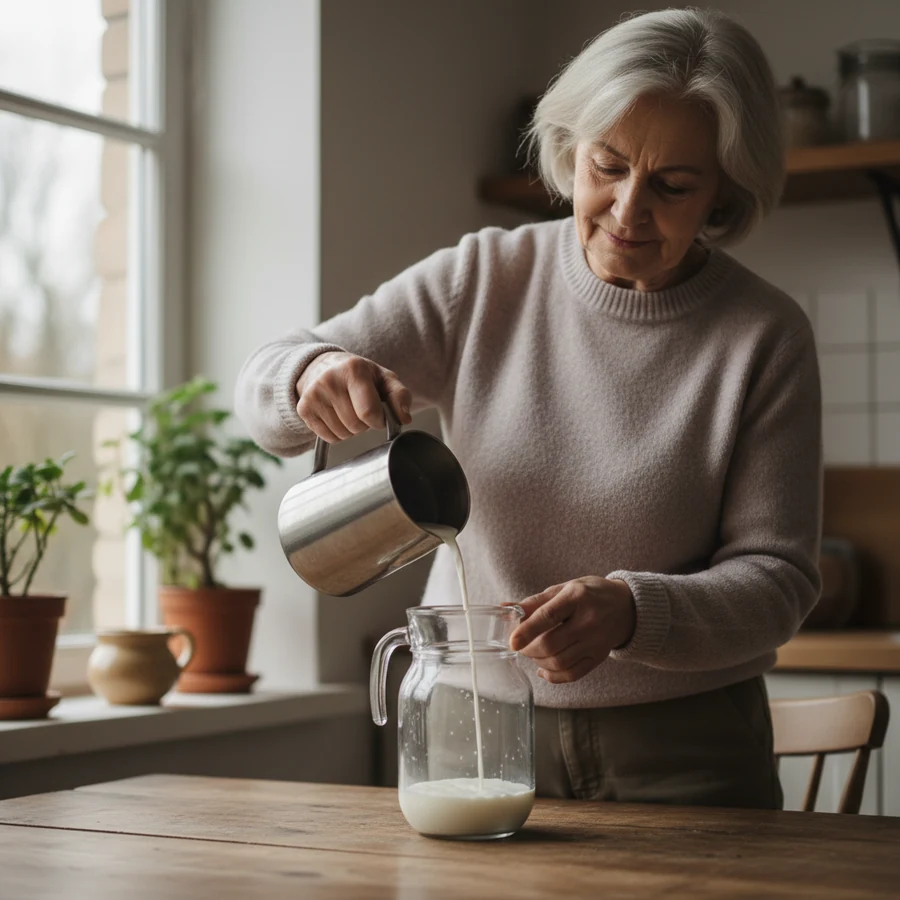
HormoneFlux pairs standardised sage leaf extract with black cohosh, chasteberry, dong quai, red clover and maca in one daily vegetarian capsule. The six-bottle bundle is the best value at $49 per bottle, with free U.S. shipping and a 90-day guarantee.
See the exact dose in HormoneFlux — from $49/bottleWhat is a sensible sage leaf dosage?
A sensible sage leaf dosage, based on how it has been studied for menopause, is a standardised leaf extract delivering roughly the equivalent of 280 to 300 mg of leaf per day, usually as a single once-daily tablet. That is the range used in the clinical work most often cited for hot flashes and night sweats. As with all botanicals, more is not better — megadosing sage is discouraged because concentrated extracts can carry thujone, a compound that is fine in ordinary amounts but not meant for heavy long-term intake.
HormoneFlux keeps its sage within this everyday, well-precedented range rather than pushing it to extremes — the aim is a balanced blend, not a single loud ingredient. Whatever product you use, follow the label and treat the numbers below as an orientation rather than a prescription.
| Form | Common daily range | Notes |
|---|---|---|
| Standardised leaf extract | ~280–300 mg leaf equivalent | The form used in menopause research; usually once daily. |
| As part of a women’s blend | Within the same range | How HormoneFlux uses it — alongside other botanicals. |
| Duration before judging | 4–8 weeks | Builds gradually; not a same-day remedy. |
| When to pause and ask a doctor | Any medication or condition | Especially pregnancy, nursing, or seizure history. |
Check today’s HormoneFlux pricing →
Is sage leaf menopause support safe, and who should avoid it?
For most healthy adults, sage leaf menopause support is generally well tolerated at culinary and sensibly dosed supplemental amounts, and common sage has a long, uneventful record as a food. The caveat is dose and form: some concentrated extracts and essential oils contain thujone, which is not a concern in normal food or standardised supplement doses but is a reason not to take very high amounts for long stretches. A quality, standardised, moderately dosed product is the safe way to use it. The professional guidance on this is The North American Menopause Society, The 2023 nonhormone therapy position statement of The North American Menopause Society, Menopause (2023).
Beyond that, the usual cautions apply. Sage is not recommended during pregnancy or breastfeeding, and anyone with a seizure disorder, on prescription medication, or managing a diagnosed condition should speak with a doctor before starting — this is general information, not personal medical advice. For the wider picture, our guide to black cohosh for hot flashes is a useful companion read.
How does sage complement the phytoestrogen botanicals in HormoneFlux?
Sage complements the phytoestrogen botanicals in HormoneFlux by covering the sweating symptom directly, while the phytoestrogen herbs work on the broader hormonal picture. Instead of stacking herbs that all do the same thing, HormoneFlux surrounds its phytoestrogen ingredients — red clover isoflavones, dong quai and others — with targeted comforters like sage for sweats and black cohosh for flushing, plus maca for everyday vitality. The result aims at coverage across the whole experience, not a spotlight on one sensation. The pooled trial evidence behind that sits in Lethaby A et al., Phytoestrogens for menopausal vasomotor symptoms, Cochrane Database of Systematic Reviews (2013).
This also answers the limitation raised earlier: because the single-ingredient evidence for sage is early, a well-considered blend lets it contribute its traditional strength while better-studied botanicals carry more of the load. See the complete panel in the HormoneFlux ingredients section, or read our primer on how to support hormone balance naturally.
Frequently asked questions
Does sage help with hot flashes and night sweats?
Sage has a long European herbal history for the flushing and sweating of menopause, and it is one of the few menopause botanicals with a dedicated clinical trial suggesting fewer and less intense hot flashes over several weeks. That evidence is early and limited, so sage is best treated as a traditionally used, promising support rather than a proven remedy. Results vary from woman to woman.
What is salvia officinalis, and is it the same as common sage?
Salvia officinalis is the botanical name for common or garden sage, the same aromatic Mediterranean kitchen herb used in cooking. The leaf is the part used in supplements, and it is distinct from ornamental or hallucinogenic sages such as salvia divinorum, which are entirely different plants.
What is a typical sage leaf dosage for menopause?
Research on menopausal sweating has commonly used standardised sage leaf extracts delivering roughly the equivalent of 280 to 300 mg of leaf per day, usually as a once-daily tablet. HormoneFlux keeps its sage within this everyday, well-precedented range as part of a multi-botanical blend. Follow the label and ask your doctor about the right amount for you.
How long does sage take to work for hot flashes?
Sage is not an instant remedy; the trial that is most often cited measured improvements building over roughly four to eight weeks of daily use. Because botanicals work gradually, taking sage at the same time each day matters more than any single dose, and most women give it two months before judging the fit.
Is sage leaf safe to take during menopause?
For most healthy adults, culinary and supplemental amounts of common sage leaf are generally well tolerated. Very high doses of some sage extracts contain thujone and are not meant for long-term use, so a standardised, sensibly dosed product is important. Sage is not recommended during pregnancy or breastfeeding, and anyone on medication or with a health condition should ask a doctor first. This is general information, not medical advice.
Why is sage included in the HormoneFlux blend?
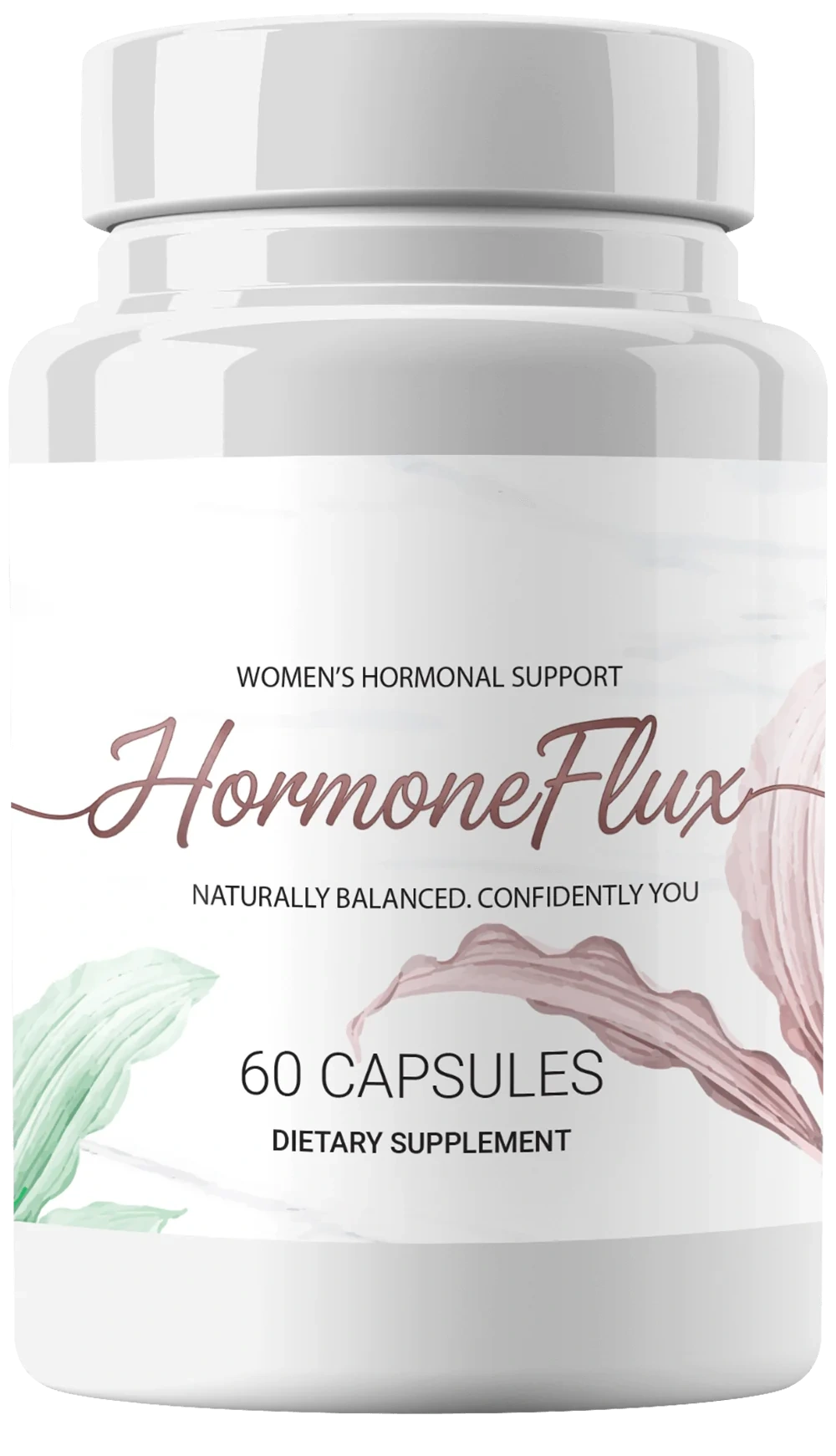
Sage is included in HormoneFlux because it targets the specific sweating and flushing side of menopause that phytoestrogen botanicals do not always address directly. HormoneFlux pairs sage with black cohosh, chasteberry, dong quai, red clover and maca so the formula supports the whole transition rather than one sensation alone.
Try HormoneFlux risk-free for 90 days →
HormoneFlux is a dietary supplement, not a treatment for any medical condition. These statements have not been evaluated by the Food and Drug Administration. This product is not intended to diagnose, treat, cure or prevent any disease. Always consult a qualified healthcare professional about your individual needs.
References & further reading
- National Center for Complementary and Integrative Health (NCCIH). Menopausal Symptoms and Complementary Health Approaches. nccih.nih.gov/health/menopausal-symptoms-in-depth
- Bommer S, Klein P, Suter A. First time proof of sage’s tolerability and efficacy in menopausal women with hot flushes. PubMed / U.S. National Library of Medicine. pubmed.ncbi.nlm.nih.gov/21630133
- National Institutes of Health, MedlinePlus. Sage. medlineplus.gov/druginfo/natural/504.html
- Examine.com. Sage (Salvia officinalis). examine.com/supplements/sage
- Bommer S et al. First time proof of sage's tolerability and efficacy in menopausal women with hot flushes. Advances in Therapy, 2011. pubmed.ncbi.nlm.nih.gov/21630133
- Mayo Clinic. Menopause — Diagnosis & treatment. mayoclinic.org/diseases-conditions/menopause
- The North American Menopause Society The 2023 nonhormone therapy position statement of The North American Menopause Society. Menopause, 2023. pubmed.ncbi.nlm.nih.gov/37252752
- Lethaby A et al. Phytoestrogens for menopausal vasomotor symptoms. Cochrane Database of Systematic Reviews, 2013. pubmed.ncbi.nlm.nih.gov/24323914
These references describe the ingredient and its traditional use in general terms and do not constitute evidence that any product treats, cures or prevents any condition.
Keep reading: black cohosh for hot flashes · red clover isoflavones for menopause · how to support hormone balance naturally · back to the HormoneFlux blog · homepage.