Black cohosh and chasteberry for menopause: how they work | HormoneFlux

Updated September 2026 · reviewed by the HormoneFlux Research Team. We are an independent information resource, not a medical provider, and this article is educational rather than medical advice.
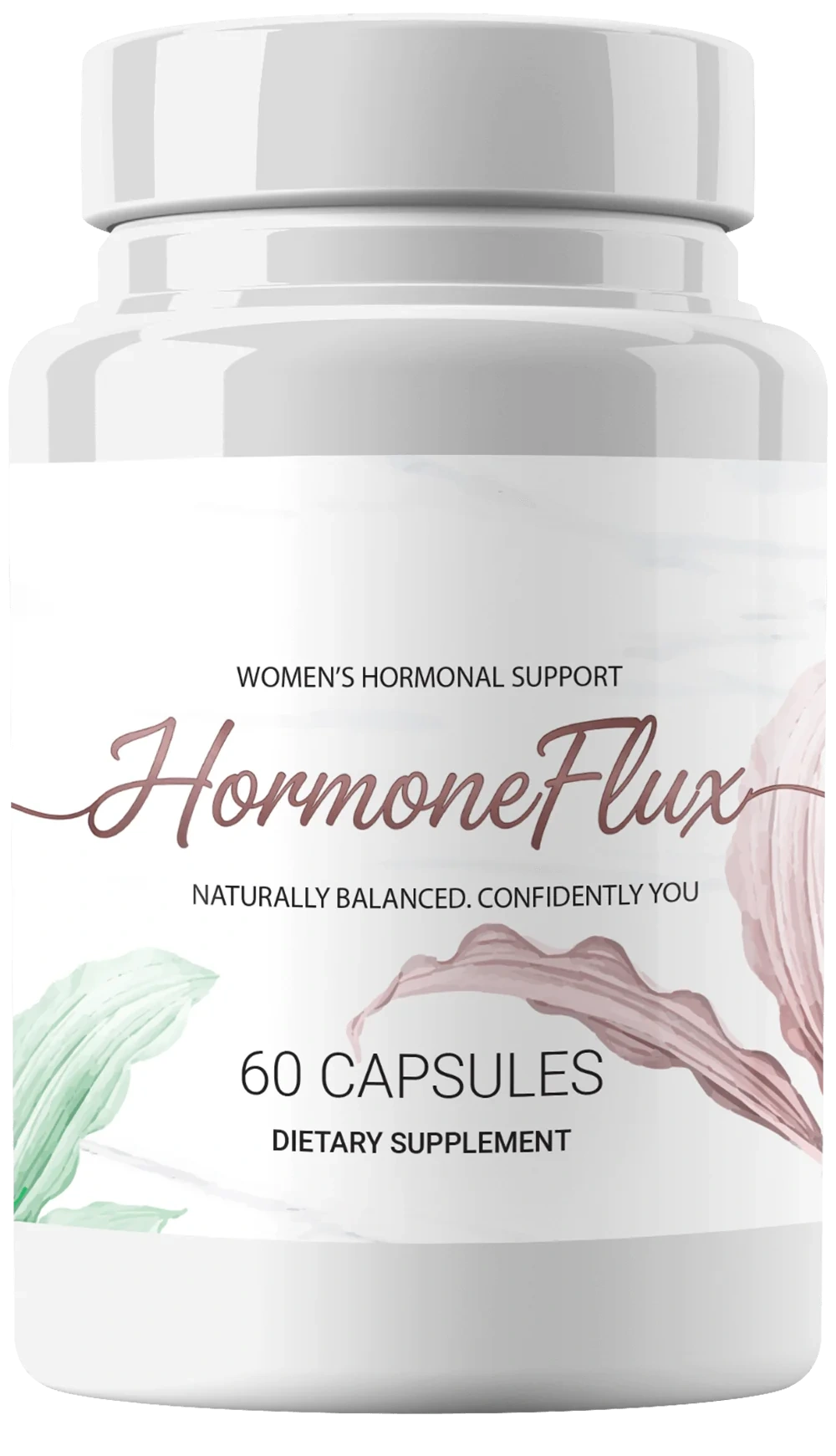
Black cohosh and chasteberry (vitex) are two of the most used women’s botanicals: black cohosh is most associated with menopausal comfort, and chasteberry with the monthly cycle and premenstrual balance. Both are traditionally used, act along different pathways, and are combined in HormoneFlux with six more women’s herbs in a once-daily capsule.
The two headline botanicals in HormoneFlux, compared in one place.
- Black cohosh
- Actaea racemosa root, most associated with menopausal comfort; the single most-studied herb in that category.
- Chasteberry (vitex)
- Vitex agnus-castus fruit, most associated with the monthly cycle and premenstrual comfort.
- Different mechanisms
- Black cohosh's pathway is debated and not a simple phytoestrogen effect; chasteberry is thought to act on the pituitary.
- Why combine them
- Because they suit different life stages, they are often paired - as in HormoneFlux - with dong quai, red clover, maca and more.
- Safety first
- Both are traditionally used but not risk-free; anyone pregnant, nursing or on medication should ask a doctor first.
Two botanicals come up again and again in any conversation about women’s herbal wellness: black cohosh and chasteberry (also called vitex). They are among the most used and most studied women’s herbs in the world, and both sit at the heart of the HormoneFlux formula. This guide explains what each one is, the traditional thinking behind how it is used, sensible context, and exactly what to look for on a label — in plain language, with no medical claims.
What is black cohosh?
Black cohosh (Actaea racemosa, formerly Cimicifuga racemosa) is a flowering plant native to North America, where it was used by Indigenous peoples and later adopted into European herbal practice. The part used is the root and rhizome. Today it is one of the most popular botanicals associated with the menopausal transition, and it is the single most-studied herb in that category. The pooled trial evidence behind that sits in Sadahiro R et al., Black cohosh extracts in women with menopausal symptoms: an updated pairwise meta-analysis, Menopause (2023).
How is black cohosh traditionally used?
Black cohosh is traditionally used to support comfort during the menopausal years. Interestingly, researchers have not settled on a single mechanism: unlike red clover or soy, black cohosh does not appear to act simply as a phytoestrogen, and several other pathways have been proposed. What is clear is its long history of traditional use, which is why it anchors so many women’s formulas, including HormoneFlux. There is a fuller treatment of this in our guide to vitex chasteberry for PMS.
What is chasteberry (vitex)?
Chasteberry is the fruit of the chaste tree (Vitex agnus-castus), a shrub native to the Mediterranean. It has been used in women’s herbal traditions since antiquity, and the small, peppercorn-like berries are the part used. Where black cohosh is most associated with menopause, chasteberry is most associated with the monthly cycle and premenstrual comfort. The pooled trial evidence behind that sits in Csupor D et al., Vitex agnus-castus in premenstrual syndrome: A meta-analysis of double-blind randomised controlled trials, Complementary Therapies in Medicine (2019).
How is chasteberry traditionally used?
Chasteberry is traditionally used to support a sense of balance across the menstrual cycle and premenstrual comfort. It is thought to act on the pituitary gland rather than by supplying plant oestrogens, which is part of why it is often paired with other botanicals that work along different pathways — a complementary approach HormoneFlux takes. If that is where you are, start with how to choose a hormone balance supplement.
See the full HormoneFlux botanical blend →
Black cohosh vs chasteberry: a quick comparison
They are often mentioned in the same breath, but they are different herbs with different traditional roles. This table lays them side by side.
| Black cohosh | Chasteberry (vitex) | |
|---|---|---|
| Plant | Actaea racemosa (root & rhizome) | Vitex agnus-castus (fruit) |
| Most associated with | Menopausal comfort | Monthly cycle & premenstrual comfort |
| Traditional origin | North American & European herbalism | Mediterranean & classical herbalism |
| Acts as a phytoestrogen? | Not clearly; mechanism debated | No; thought to act on the pituitary |
Why combine them with other botanicals?
Because these two herbs are associated with different life stages and different traditional mechanisms, formulators often combine them — and add others — so a single product can support women across the monthly cycle and the midlife transition. HormoneFlux follows that logic, pairing black cohosh and chasteberry with:
- Dong quai — a classic “female tonic” in traditional Chinese medicine.
- Red clover — a natural source of isoflavone phytoestrogens.
- Maca and ashwagandha — adaptogens for everyday energy and stress resilience.
- Wild yam and sage — traditional women’s botanicals for comfort.
What should you look for on a label?
Not all botanical products are equal. A few practical checks help you compare:
- The botanical name. Look for the Latin name (e.g. Actaea racemosa, Vitex agnus-castus) so you know exactly which plant and part you are getting.
- Manufacturing standards. A product made in an FDA-registered, GMP-compliant facility signals real quality control. HormoneFlux is made in the USA to those standards.
- A clean formula. Non-GMO, and free of unnecessary fillers; HormoneFlux uses a simple vegetarian capsule.
- A real guarantee. A generous money-back guarantee — HormoneFlux offers 90 days — lets you try it with less risk.

Black cohosh & chasteberry, together
HormoneFlux combines black cohosh and chasteberry with dong quai, red clover, maca, ashwagandha, wild yam and sage in one daily capsule. The six-bottle bundle is $49 per bottle with free U.S. shipping and a 90-day guarantee. The same reasoning runs through our explainer on what to look for in a menopause supplement.
Order HormoneFlux — from $49/bottleAre they safe? Sensible cautions
Both herbs have long histories of traditional use, but botanicals are not automatically risk-free, and they are not a treatment for any disease. Black cohosh in particular should be discussed with a doctor if you have a liver condition, and neither herb is intended for anyone who is pregnant or nursing. Anyone taking medication — especially hormone therapy — or living with a hormone-sensitive condition should speak with a healthcare professional before starting. For the wider routine that supports these botanicals, see how to support hormone balance naturally and the best foods for hormone balance. That literature is reviewed in Naser B et al., Weight gain in menopause: systematic review of adverse events in women treated with black cohosh, Climacteric (2022).

The bottom line
Black cohosh and chasteberry are two of the most trusted names in women’s herbal tradition — one most associated with menopausal comfort, the other with the monthly cycle. Bringing them together with complementary botanicals, as HormoneFlux does, is a sensible, traditional-use approach to everyday women’s wellness. As with any supplement, they work best as part of a balanced lifestyle and a conversation with your own doctor.
Frequently asked questions
What is the difference between black cohosh and chasteberry?
Black cohosh (Actaea racemosa) is most associated with menopausal comfort, while chasteberry, or vitex (Vitex agnus-castus), is most associated with the monthly cycle and premenstrual comfort. They come from different plants and are thought to work along different traditional pathways, which is why they are often combined.
How do black cohosh and chasteberry work?
Black cohosh's mechanism is still debated and does not appear to be a simple phytoestrogen effect, whereas chasteberry is thought to act on the pituitary gland rather than by supplying plant oestrogens. Both have long histories of traditional use in women's wellness.
Can you take black cohosh and chasteberry together?
They are frequently combined in women's formulas because they are associated with different life stages and mechanisms. HormoneFlux pairs them with dong quai, red clover, maca, ashwagandha, wild yam and sage. Anyone on medication should check with a doctor first.
Are black cohosh and chasteberry safe?
Both have long traditional use, but no botanical is automatically risk-free. Discuss black cohosh with your doctor if you have a liver condition, avoid both if pregnant or nursing, and consult a professional if you take medication or have a hormone-sensitive condition.
What should I look for on a black cohosh or chasteberry label?
Check for the Latin botanical name, manufacturing in an FDA-registered, GMP-compliant facility, a clean non-GMO formula without unnecessary fillers, and a real money-back guarantee. HormoneFlux meets each of these.
Does HormoneFlux contain black cohosh and chasteberry?
Yes. Black cohosh and chasteberry are two of the eight headline botanicals in HormoneFlux, alongside dong quai, red clover, maca, ashwagandha, wild yam and sage, in a once-daily vegetarian capsule.
Try HormoneFlux risk-free for 90 days →
HormoneFlux is a dietary supplement, not a treatment for any medical condition. These statements have not been evaluated by the Food and Drug Administration. This product is not intended to diagnose, treat, cure or prevent any disease. Always consult a qualified healthcare professional about your individual needs.
References & further reading
- National Center for Complementary and Integrative Health (NCCIH). Black Cohosh. nccih.nih.gov/health/black-cohosh
- Examine.com. Vitex agnus-castus (Chasteberry) — evidence-based summary. examine.com/supplements/vitex-agnus-castus
- National Center for Complementary and Integrative Health (NCCIH). Menopausal Symptoms and Complementary Health Approaches. nccih.nih.gov/health/menopausal-symptoms-in-depth
- Examine.com. Black Cohosh (Actaea racemosa). examine.com/supplements/black-cohosh
- Sadahiro R et al. Black cohosh extracts in women with menopausal symptoms: an updated pairwise meta-analysis. Menopause, 2023. pubmed.ncbi.nlm.nih.gov/37192826
- Csupor D et al. Vitex agnus-castus in premenstrual syndrome: A meta-analysis of double-blind randomised controlled trials. Complementary Therapies in Medicine, 2019. pubmed.ncbi.nlm.nih.gov/31780016
- Naser B et al. Weight gain in menopause: systematic review of adverse events in women treated with black cohosh. Climacteric, 2022. pubmed.ncbi.nlm.nih.gov/34608830
These references describe the ingredients and habits in general terms and do not constitute evidence that any product treats, cures or prevents any condition.
Keep reading: how to support hormone balance naturally · the best foods for hormone balance · back to the HormoneFlux blog · homepage.