Vitex chasteberry for PMS: the cycle-balance herb in HormoneFlux

Updated September 2026 · reviewed by the HormoneFlux Research Team. We are an independent information resource, not a medical provider, and this article is educational rather than medical advice.
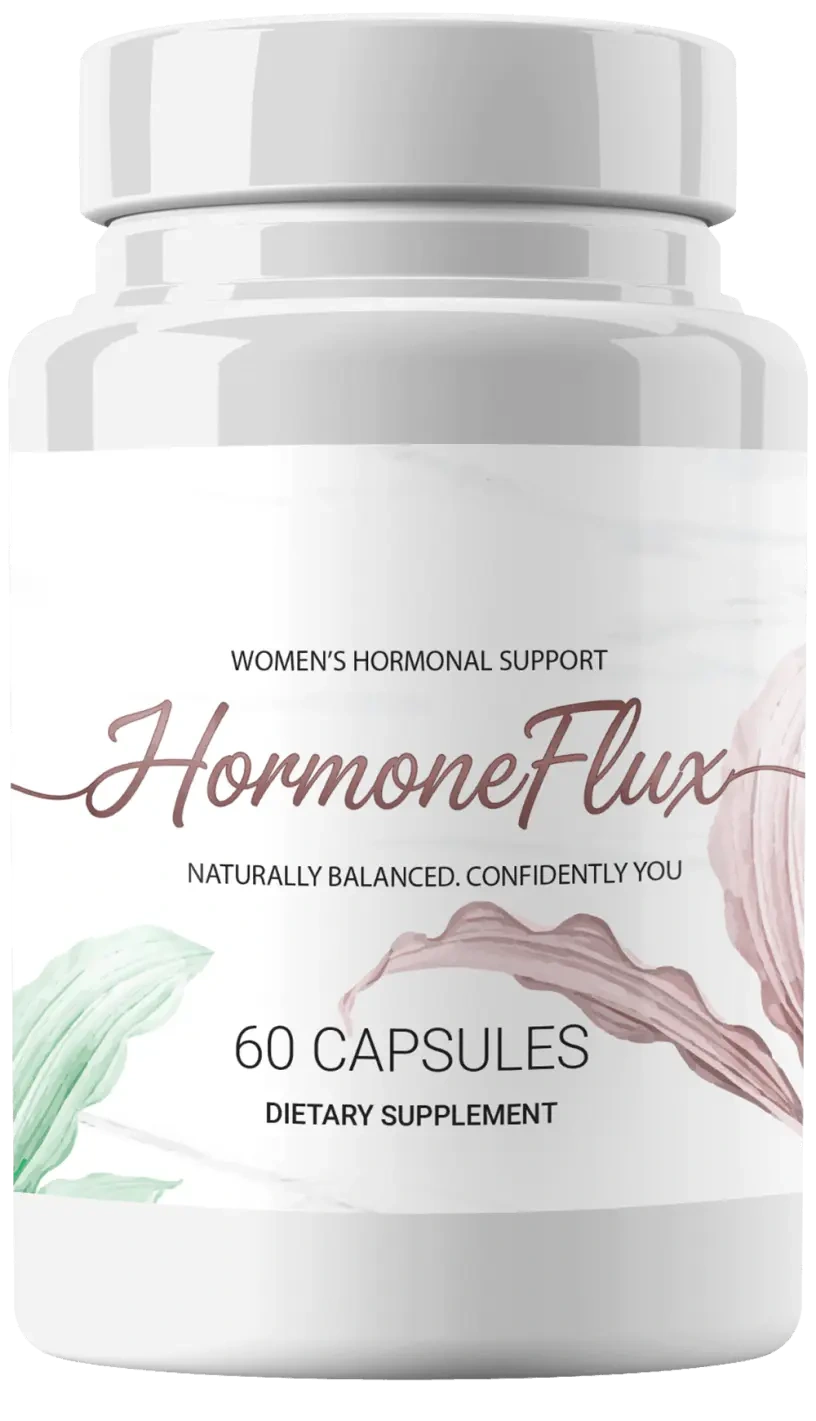
Vitex chasteberry for PMS refers to using the dried fruit of Vitex agnus-castus — a Mediterranean shrub whose berries have been taken for centuries — as a daily herb to support premenstrual comfort and a steadier monthly cycle. It is the classic cycle-balance botanical, and in HormoneFlux it sits alongside black cohosh, dong quai and maca so a single capsule spans both the monthly rhythm and the midlife transition. Chasteberry is a support to good habits, not a treatment for any medical condition.
What vitex chasteberry does for PMS, in one place.
- What it is
- The berry of Vitex agnus-castus, the traditional herb for premenstrual comfort and monthly balance.
- What it is for
- Softening the premenstrual days — mood, breast comfort and the general “before-my-period” feeling — not menopause specifically.
- How it is taken
- Once daily, every day of the cycle. It is cumulative, so most guidance allows two to three cycles before judging it.
- Where HormoneFlux fits
- Chasteberry is one of eight women’s botanicals in the daily HormoneFlux capsule, so you follow the label rather than dosing it separately.
- Honesty note
- Evidence for PMS is promising but mixed; it is a supportive herb, and anyone on medication or trying to conceive should ask a doctor first.
If the days before your period arrive with their own weather — a dip in mood, tender breasts, a shorter fuse — you are describing the premenstrual window that vitex has traditionally been used for. Of all the herbs in the women’s-wellness cabinet, chasteberry is the one most tied to the monthly cycle rather than menopause, which is why it earns a place in HormoneFlux. This guide explains what vitex is, how it is thought to work, what the evidence honestly says, and how it fits into a daily routine.
What is vitex agnus-castus, and why is it called chasteberry?
Vitex agnus-castus is a Mediterranean shrub whose small, peppercorn-like fruit is dried and used as the herb we call chasteberry, chaste tree berry or simply vitex. The plant has one of the longest continuous histories in women’s herbal tradition, with written mentions reaching back to classical antiquity, where it was linked to the monthly cycle. Today it is prized for one thing above all: its long association with premenstrual comfort and cycle balance.
What sets vitex apart is its focus. Where black cohosh and red clover are talked about mainly for the menopausal years, vitex is the monthly-cycle herb — the one traditionally reached for in the reproductive years to smooth the premenstrual stretch of the calendar.
How does vitex chasteberry work for premenstrual comfort?
Chasteberry is thought to act indirectly on the hormonal system rather than delivering a hormone itself. Research suggests its fruit compounds interact with dopamine signalling in the pituitary gland, which in turn influences prolactin — a hormone that, when running high, is associated with premenstrual symptoms such as breast tenderness. By nudging that signalling, vitex is believed to support the natural balance of the luteal phase, the second half of the cycle where most premenstrual complaints cluster. That literature is reviewed in Puglia LT et al., Vitex agnus castus effects on hyperprolactinaemia, Frontiers in Endocrinology (2023).
Two honest caveats belong here. First, this mechanism is still being studied and is not fully settled. Second, because vitex works on the messaging that governs the cycle, it is cumulative and not an on-the-day remedy — you take it daily and let it build.
What does the evidence say about vitex for PMS?
The evidence for vitex chasteberry and premenstrual comfort is genuinely promising but should be read with care. Several randomized trials and reviews have reported that standardized vitex extracts helped women feel better across common premenstrual complaints compared with placebo, and it is one of the better-studied herbs in this space. That said, studies vary in quality, doses differ between products, and independent reviewers rate the overall certainty as moderate rather than definitive. The pooled trial evidence behind that sits in Csupor D et al., Vitex agnus-castus in premenstrual syndrome: A meta-analysis of double-blind randomised controlled trials, Complementary Therapies in Medicine (2019).
In plain terms: vitex is one of the few cycle herbs with real human research behind it, and that research leans positive — but it is a supportive herb, not a proven medicine. The table below summarizes what is discussed most often.
| Premenstrual area | What tradition & research discuss | Evidence strength |
|---|---|---|
| Overall premenstrual comfort | The area with the most trial support for standardized vitex extracts. | Moderate |
| Breast tenderness | Linked to vitex’s traditional prolactin-related role. | Moderate |
| Mood & irritability | Frequently reported in premenstrual studies, though subjective. | Mixed |
| Cycle regularity | A long-standing traditional use; individual and variable. | Limited / traditional |

See the exact dose in HormoneFlux
HormoneFlux pairs chasteberry with black cohosh, dong quai, maca and more in one daily vegetarian capsule — so you get vitex at a sensible daily amount without juggling jars. The six-bottle bundle is the best value at $49 per bottle, with free U.S. shipping and a 90-day guarantee.
Check today’s HormoneFlux pricing — from $49/bottleHow much vitex is a typical dose, and how is it taken?
A typical study dose of vitex for premenstrual comfort has fallen in the region of 20 to 40 mg of a standardized extract per day, though whole-berry powders and tinctures use very different amounts, which is part of why comparing products is tricky. The common thread is not the exact milligram figure but the pattern: one dose, once a day, every day of the cycle. For the wider picture, our guide to how to relieve PMS naturally follows the same thread. A systematic summary of that work is Ooi SL et al., Vitex Agnus-Castus for the Treatment of Cyclic Mastalgia: A Systematic Review and Meta-Analysis, Journal of Women's Health (2020).
Within HormoneFlux, chasteberry is blended with seven other women’s botanicals, so rather than measuring vitex on its own you simply take the daily capsule as directed on the label — which removes the guesswork of standardizing an extract yourself.
How long before you judge whether vitex is helping?
Because vitex is cumulative, patience is part of the method: most traditional guidance and clinical studies give it across two to three full menstrual cycles before deciding whether it suits you. A useful habit is to keep a simple monthly note of how the premenstrual days feel, so you are comparing like with like rather than relying on memory. Results vary, and some women find it is not for them — both are normal outcomes.
Who is vitex chasteberry not suitable for?
Vitex is not right for everyone. Because it acts on the hormonal system, it is generally not recommended during pregnancy or breastfeeding, and it can interact with the contraceptive pill, hormone therapy, fertility treatment and dopamine-related medications. If any of those apply, or you have a hormone-sensitive condition, the right first step is a conversation with your doctor rather than a purchase.
How is vitex different from black cohosh in HormoneFlux?
Vitex and black cohosh are often mentioned together but do different jobs, which is precisely why HormoneFlux includes both. Vitex is the reproductive-years, monthly-cycle herb aimed at the premenstrual window, while black cohosh is the herb most associated with menopausal comfort. Pairing them means one formula can support a woman across the arc of her hormonal life rather than just one chapter of it.
| Feature | Vitex (chasteberry) | Black cohosh |
|---|---|---|
| Traditional focus | Monthly cycle & premenstrual comfort | Menopausal comfort |
| Best-known life stage | Reproductive years | Perimenopause & menopause |
| How it is taken | Daily, cumulative over cycles | Daily, cumulative over weeks |
| Role in HormoneFlux | The cycle-balance botanical | The midlife-comfort botanical |
If your interest is the menopausal side of the story, our companion guide to black cohosh and chasteberry for menopause covers that pairing in depth, and the broader natural hormone-balance guide puts both herbs inside a full routine of food, movement and sleep.

How do you build vitex into a simple daily routine?
The most reliable way to use vitex chasteberry is to make it boring — one small, repeatable daily step rather than a symptom-day scramble. Since it works gradually, the routine that surrounds it matters as much as the herb itself:
- Take it at the same time each day — for HormoneFlux, the daily capsule with a meal, every day of the cycle.
- Keep it up through the whole month, not just the premenstrual days, because vitex is cumulative.
- Support it with the basics — fibre, protein, regular movement and steady sleep do a lot of the quiet work.
- Keep a one-line monthly note on how the premenstrual days felt, so you can judge fairly after two to three cycles.
- Re-check with your doctor if anything changes, especially if you start or stop other medications.
Used this way, vitex becomes part of the background rhythm of the month — which is exactly how HormoneFlux is designed to be taken.
When should you talk to a doctor about PMS?
Herbs are for supporting your everyday sense of balance; they are not a substitute for medical care. Speak with your doctor if your premenstrual symptoms are severe or disrupt your life, if you have very heavy or irregular bleeding, persistent low mood, or symptoms that worry you — and before starting vitex if you are pregnant, nursing, under 18, trying to conceive, or take any medication including the contraceptive pill or hormone therapy. Severe premenstrual mood symptoms in particular deserve a professional assessment rather than a supplement alone.
Frequently asked questions
What is vitex chasteberry used for?
Vitex, or chasteberry, is a fruit traditionally used to support premenstrual comfort and a steadier monthly cycle. It is taken as a daily herb rather than as a treatment for any disease, and anyone on medication should check with a doctor first.
How long does vitex take to work for PMS?
Chasteberry works gradually, so most traditional guidance and studies give it across two to three menstrual cycles before judging it. It is a daily, cumulative herb rather than an on-the-day remedy, and results vary from person to person.
How much vitex agnus-castus is a typical dose?
Studies of vitex for premenstrual comfort have commonly used standardized extracts in the region of 20 to 40 mg per day, though products vary widely. HormoneFlux includes chasteberry within its daily women's botanical blend, so follow the label rather than adding a separate dose.
Can I take vitex chasteberry with birth control?
Because vitex acts on the hormonal system, it is not automatically compatible with the contraceptive pill, hormone therapy or fertility treatment. If you take any of these, or are pregnant or nursing, ask your doctor before starting chasteberry.
Is vitex the same as black cohosh?
No. Vitex, or chasteberry, is the classic monthly-cycle and premenstrual herb, while black cohosh is more associated with menopausal comfort. HormoneFlux pairs both so one daily capsule spans the cycle and the midlife transition.
Are there side effects of chasteberry?
Chasteberry is generally well tolerated, with occasional mild reports of digestive upset, headache or skin changes. It is not suitable in pregnancy or alongside certain medications, so treat it as a supportive herb and speak to a healthcare professional about your own situation.
See the exact vitex dose in HormoneFlux →
HormoneFlux is a dietary supplement, not a treatment for any medical condition. These statements have not been evaluated by the Food and Drug Administration. This product is not intended to diagnose, treat, cure or prevent any disease. Always consult a qualified healthcare professional about your individual needs.
References & further reading
- National Center for Complementary and Integrative Health (NCCIH). Chasteberry. nccih.nih.gov/health/chasteberry
- Examine.com. Vitex agnus-castus (Chasteberry). examine.com/supplements/vitex-agnus-castus
- Puglia LT et al. Vitex agnus castus effects on hyperprolactinaemia. Frontiers in Endocrinology, 2023. pubmed.ncbi.nlm.nih.gov/38075075
- Schellenberg R. Treatment for the premenstrual syndrome with agnus castus fruit extract: prospective, randomised, placebo controlled study. BMJ, 2001. pubmed.ncbi.nlm.nih.gov/11159568
- Office on Women’s Health, U.S. Department of Health & Human Services. Premenstrual syndrome (PMS). womenshealth.gov/menstrual-cycle/premenstrual-syndrome
- Csupor D et al. Vitex agnus-castus in premenstrual syndrome: A meta-analysis of double-blind randomised controlled trials. Complementary Therapies in Medicine, 2019. pubmed.ncbi.nlm.nih.gov/31780016
- Ooi SL et al. Vitex Agnus-Castus for the Treatment of Cyclic Mastalgia: A Systematic Review and Meta-Analysis. Journal of Women's Health, 2020. pubmed.ncbi.nlm.nih.gov/31464546
These references describe the ingredient and cycle in general terms and do not constitute evidence that any product treats, cures or prevents any condition.
Keep reading: black cohosh & chasteberry for menopause · the best foods for hormone balance · how to support hormone balance naturally · the HormoneFlux review · back to the blog.