How to Relieve PMS Naturally: Your HormoneFlux Guide

Updated September 2026 · reviewed by the HormoneFlux Research Team. We are an independent information resource, not a medical provider, and this article is educational rather than medical advice.
Learning how to relieve PMS naturally means building a handful of cycle-aware habits — steady eating, movement, sleep, stress care and a few well-chosen nutrients — that you repeat every month so the premenstrual week lands more softly. It is not about a single miracle fix, and it is where a traditional cycle-balance botanical like the chasteberry (vitex) in HormoneFlux can play a supporting role. This guide walks through the practical steps, what the evidence says, and how to build a routine you can actually keep.
Natural PMS relief, in one honest paragraph.
- The short version
- Relieve PMS naturally with consistent monthly habits — balanced meals, movement, sleep and stress care — plus optional nutrients and a cycle-balance botanical. Supports, not cures.
- Biggest levers
- Regular exercise, steady blood sugar, limiting alcohol and caffeine, and protecting sleep in the premenstrual week.
- Worth considering
- Calcium and magnesium have the most research; chasteberry (vitex) is the classic cycle-balance herb, used in HormoneFlux.
- Timeframe
- Judge changes over 2–3 full cycles (about 8–12 weeks), not a single month.
- See a doctor if
- Symptoms are severe, disabling, or point to PMDD — natural steps are not a substitute for care.
Premenstrual syndrome touches most women who menstruate at some point, and for many it is a predictable monthly rhythm of tender breasts, bloating, cramps, low mood and irritability in the days before a period. The good news is that a lot of what shapes that week is within your control — not by fighting the cycle, but by working with it. Below is a practical, evidence-led way to do that, with a clear view of where the science is strong and where it is thin.
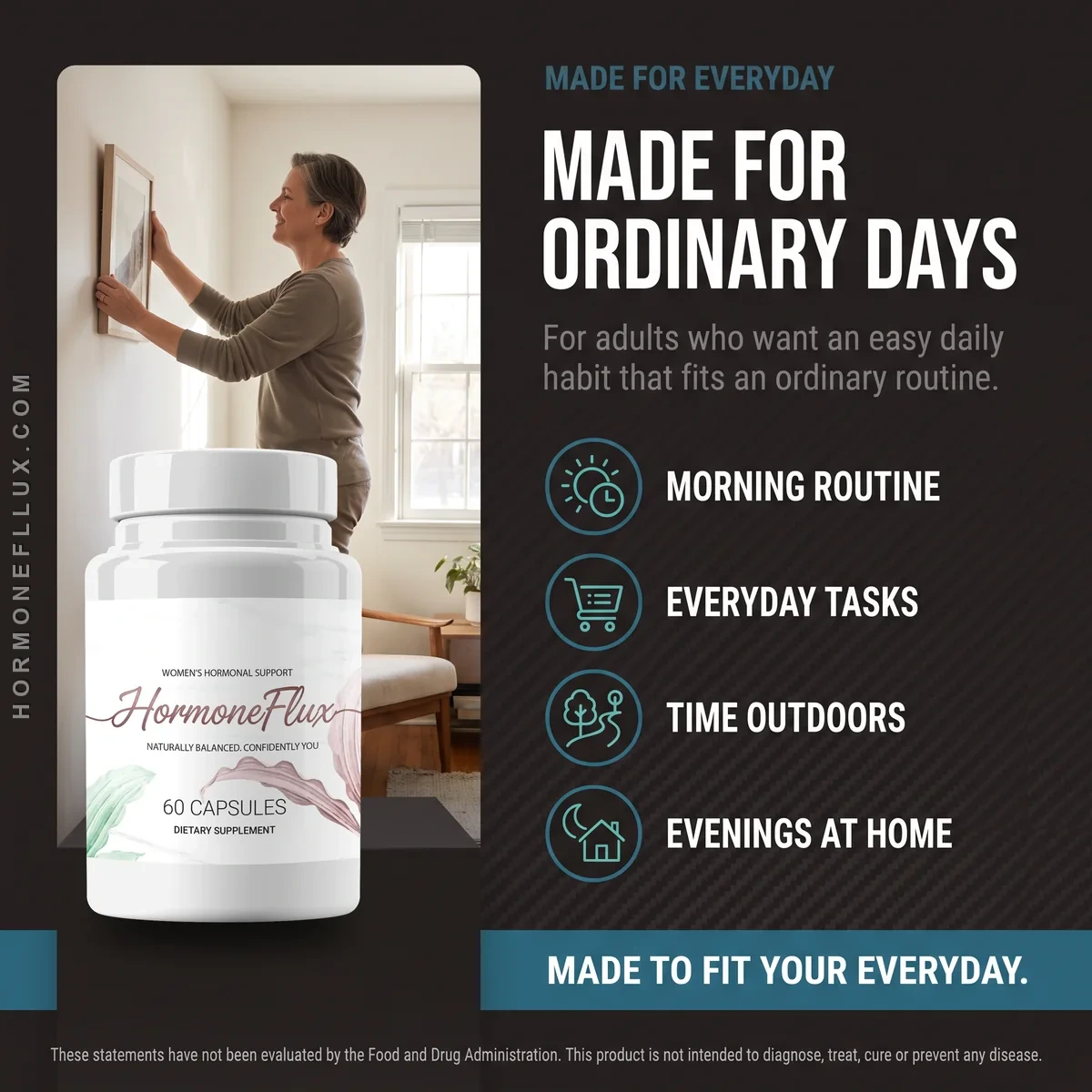
What does it mean to relieve PMS naturally?
To relieve PMS naturally is to ease premenstrual symptoms through lifestyle, nutrition and traditional botanicals rather than prescription medication — a set of habits you practise all cycle so the hard days feel more manageable. It does not mean rejecting medical care; it means starting with the foundations most experts recommend first. The aim is a steadier baseline, not the elimination of every symptom, because a normal cycle involves real hormonal shifts that natural steps soften rather than switch off.
Think of it as two layers. The first is the daily routine — how you eat, move, sleep and manage stress — which does the heavy lifting. The second is targeted support: specific nutrients and a cycle-balance botanical you add on top once the foundation is in place. HormoneFlux belongs firmly in that second layer, as a convenient daily step, never as a replacement for the first.
What causes PMS, and why do symptoms swing month to month?
PMS is driven by the natural rise and fall of oestrogen and progesterone across the second half of the cycle, and by how sensitive your brain and body are to those shifts. In the luteal phase — after ovulation and before your period — hormone levels change quickly, and that movement can influence mood chemistry, fluid balance, breast tissue and the gut. Two women with the same hormone levels can feel very different, because sensitivity varies, which is why PMS is so individual. A systematic summary of that work is Wyatt KM et al., Efficacy of vitamin B-6 in the treatment of premenstrual syndrome: systematic review, BMJ (1999).
Why is the premenstrual week the hard part?
The premenstrual week is when hormone levels drop most sharply toward menstruation, and that steep change is what many women feel as mood dips, cravings and physical tenderness. Blood-sugar swings, poorer sleep and higher stress all amplify the effect, which is exactly why the habits that steady those things make the biggest difference. Nothing here is a flaw to fix — it is a normal cycle you can support.
Is it PMS or something more?
Ordinary PMS is uncomfortable but manageable, whereas premenstrual dysphoric disorder (PMDD) brings severe mood symptoms that seriously disrupt work and relationships. If low mood, anxiety or irritability in the luteal phase feels overwhelming or affects your safety, that is a medical matter, not something to self-manage with habits alone. Tracking symptoms across a couple of cycles helps you and a clinician tell the two apart. That question is taken apart in more detail in our piece on the best supplements for women over 50.
How do cycle-aware habits ease PMS symptoms naturally?
Cycle-aware habits ease PMS by stabilising the things that make the luteal phase harder — blood sugar, sleep, stress and inflammation — so the hormonal shift has less to amplify. These are the interventions with the broadest support from bodies like the NHS, Mayo Clinic and the U.S. Office on Women’s Health, and they cost nothing to start. The trick is repetition: they work because you do them all month, not just when symptoms flare.
- Move regularly. Aerobic exercise a few times a week is one of the most consistently recommended steps for premenstrual mood and physical comfort.
- Steady your blood sugar. Meals built around protein, fibre and complex carbs blunt the cravings and energy crashes that make the week feel worse.
- Protect sleep. Aim for a consistent schedule, especially in the premenstrual week when sleep is easily disrupted.
- Ease off alcohol, caffeine and excess salt. All three can worsen bloating, breast tenderness and mood volatility for many women.
- Manage stress deliberately. Walking, breathing, yoga or simply scheduling downtime lowers the load the luteal phase adds to.
| Habit | Which PMS symptoms it targets | Evidence strength |
|---|---|---|
| Regular aerobic exercise | Mood, fatigue, cramps, bloating | Strong |
| Balanced, steady meals | Cravings, energy dips, mood | Moderate |
| Consistent sleep | Irritability, fatigue, mood | Moderate |
| Less alcohol, caffeine, salt | Bloating, breast tenderness, mood | Moderate |
| Stress management | Anxiety, irritability, tension | Moderate |

Which nutrients and botanicals have the best PMS evidence?
Among supplements, calcium has some of the most consistent evidence for premenstrual comfort, with magnesium, vitamin B6 and the chasteberry (vitex) botanical also commonly used for mood, fluid balance and cycle regularity. A varied whole-food diet is still the foundation — supplements are there to fill gaps, not to replace good eating. Evidence strength differs a lot between these, so it is worth being honest about which are well supported and which are more traditional. The pooled trial evidence behind that sits in Csupor D et al., Vitex agnus-castus in premenstrual syndrome: A meta-analysis of double-blind randomised controlled trials, Complementary Therapies in Medicine (2019).
The table below sums up how the common options stack up. None of these is a cure, and individual response varies widely; if you take medication or have a health condition, clear any new supplement with your doctor first, especially chasteberry, which can interact with hormone-sensitive conditions and certain medicines.
| Option | Typically used for | Evidence / status |
|---|---|---|
| Calcium | Overall premenstrual symptoms, mood | Some of the more consistent research |
| Magnesium | Bloating, mood, tension | Modest, mixed |
| Vitamin B6 | Mood, irritability | Modest; keep within safe limits |
| Chasteberry (vitex) | Cycle balance, breast tenderness, mood | Traditional use + a modest research signal |
| Omega-3s | Cramps, mood | Emerging, promising but limited |

Want the exact chasteberry dose in HormoneFlux?
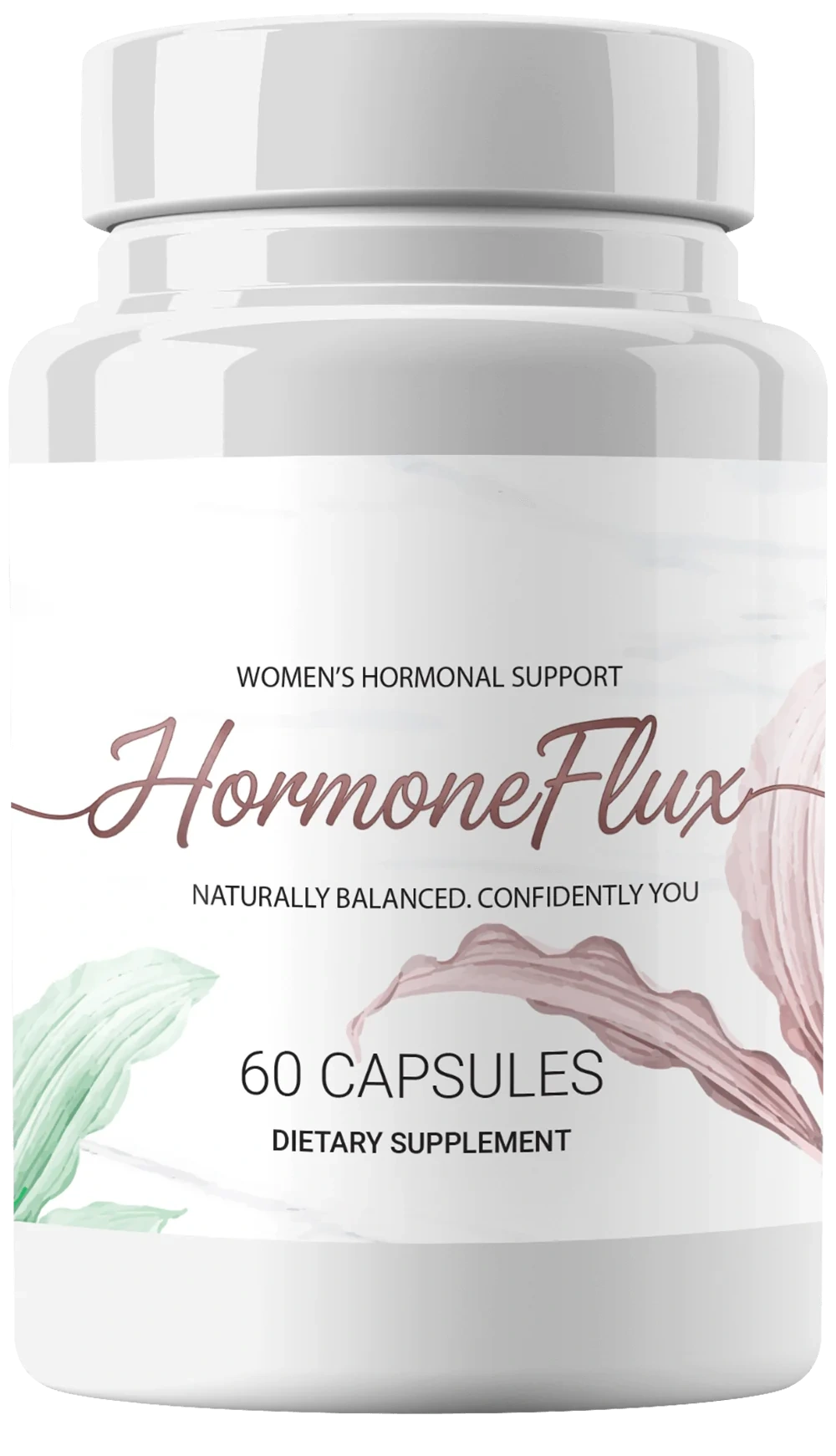
HormoneFlux pairs standardised chasteberry (vitex) with black cohosh, dong quai, maca and more in one daily vegetarian capsule — a simple cycle-balance step to sit beside your natural PMS habits. The six-bottle bundle is the best value at $49 per bottle, with free U.S. shipping and a 90-day guarantee.
See the exact dose in HormoneFlux — from $49/bottleHow does chasteberry (vitex) in HormoneFlux support cycle balance?
Chasteberry, also called vitex or Vitex agnus-castus, is the botanical most traditionally associated with monthly cycle balance and premenstrual comfort, and it carries a modest research signal for symptoms such as breast tenderness, irritability and low mood. It is thought to act on the pituitary rather than by mimicking oestrogen, nudging the hormonal conversation gently rather than forcing it. As with every botanical here, the honest framing is traditional support with a real but limited evidence base — not a proven treatment. That literature is reviewed in Puglia LT et al., Vitex agnus castus effects on hyperprolactinaemia, Frontiers in Endocrinology (2023).
In HormoneFlux, chasteberry is included within an everyday, well-precedented range as one part of a wider women’s blend, so it contributes cycle-balance support while black cohosh, dong quai, maca and sage cover the broader experience. That is the design philosophy: no single loud ingredient, but a rounded daily step that pairs naturally with the habits above. For a deeper look at this one herb on its own, see our companion guide to vitex chasteberry for PMS. For the wider picture, our guide to natural remedies for menopause fatigue follows the same thread.
What does a simple natural PMS plan look like?
A workable natural PMS plan spreads gentle effort across the whole cycle rather than cramming it into the hard week, so your body meets the luteal phase already supported. The version below is a starting template, not a prescription — adapt it to your life, and give it two or three full cycles before you judge it. Consistency beats intensity every time with cycle work.
- Follicular phase (after your period): build the base — regular workouts, steady meals, and start any daily supplement so it is established before the luteal phase.
- Around ovulation: keep momentum on sleep and movement; note your energy so you can plan the harder week.
- Luteal / premenstrual week: dial up self-care — lighter exercise, extra hydration, less alcohol and caffeine, warm compresses for cramps, and protected downtime for mood.
- During your period: rest as needed, keep nutrition steady, and reflect on what helped so next cycle is smoother.
Layer one convenient daily step — such as HormoneFlux — over that rhythm and take it at the same time each day. If you want the wider foundations, our primer on how to support hormone balance naturally and our guide to the best foods for hormone balance pair well with this plan.
Check today’s HormoneFlux pricing →
When should you see a doctor about PMS?
You should see a doctor when premenstrual symptoms are severe, disabling, or clearly disrupting your work, relationships or safety — because that pattern may point to PMDD or another condition that natural steps alone cannot address. Natural PMS relief is a first-line, supportive approach for ordinary symptoms, not a substitute for medical care when things are serious. A clinician can also check for other causes, review medications, and discuss options that habits and supplements cannot replace.
It is also worth a conversation before starting any supplement if you are pregnant or nursing, take prescription medicine, have a hormone-sensitive condition, or are on hormonal contraception, since botanicals like chasteberry can interact. The sensible order is simple: build the habits, add support thoughtfully, and keep your doctor in the loop. This article is general information, not personal medical advice.
Frequently asked questions
How can I relieve PMS naturally without medication?
Most natural PMS relief comes from cycle-aware habits repeated every month: steady meals with protein and fibre, regular movement, good sleep, less alcohol and caffeine, and stress management. Some women also add well-studied nutrients such as calcium and magnesium, or a traditional cycle-balance botanical like chasteberry. These are supports, not cures, and they work best when practised consistently rather than only during the difficult days.
What is the fastest way to ease PMS mood swings and cramps?
There is no instant fix, but in the moment gentle movement, a warm compress for cramps, hydration, a balanced snack to steady blood sugar, and a short walk or breathing break for mood tend to help most. The bigger difference usually comes from the habits you keep all month, which make the premenstrual week land more softly when it arrives.
Which vitamins and minerals help with PMS?
Calcium has some of the more consistent research for premenstrual comfort, and magnesium and vitamin B6 are commonly discussed for mood and fluid balance. A varied whole-food diet is the foundation, with supplements filling gaps. Evidence strength varies by nutrient, so treat these as general nutritional support and ask your doctor before adding anything if you take medication.
Does chasteberry (vitex) help with PMS?
Chasteberry, also called vitex, is the botanical most traditionally associated with monthly cycle balance and premenstrual comfort, and it has a modest research signal for symptoms such as breast tenderness and mood. Results are individual and it is not a cure. HormoneFlux includes chasteberry within an everyday range as part of a wider women's botanical blend.
How long does natural PMS relief take to work?
Habit and botanical approaches build gradually rather than working overnight. Most women give a new routine two to three full cycles, roughly eight to twelve weeks, before judging the difference, because PMS is judged across months rather than single days. Taking any supplement at the same time daily matters more than any one dose.
How does HormoneFlux fit into a natural PMS routine?
HormoneFlux is a once-daily women's botanical blend that pairs chasteberry for monthly balance with black cohosh, dong quai, maca and other traditional botanicals. It is designed to sit alongside cycle-aware habits, not replace them, offering a single consistent step you take every day. It is a dietary supplement, not a treatment for any condition.
Try HormoneFlux risk-free for 90 days →
HormoneFlux is a dietary supplement, not a treatment for any medical condition. These statements have not been evaluated by the Food and Drug Administration. This product is not intended to diagnose, treat, cure or prevent any disease. Always consult a qualified healthcare professional about your individual needs.
References & further reading
- National Center for Complementary and Integrative Health (NCCIH). Premenstrual Syndrome (PMS) and Complementary Health Approaches. nccih.nih.gov/health/menstrual-symptoms
- U.S. Office on Women’s Health. Premenstrual syndrome (PMS). womenshealth.gov/menstrual-cycle/premenstrual-syndrome
- Mayo Clinic. Premenstrual syndrome (PMS) — Diagnosis & treatment. mayoclinic.org/diseases-conditions/premenstrual-syndrome
- Examine.com. Vitex agnus-castus (Chasteberry). examine.com/supplements/vitex-agnus-castus
- Wyatt KM et al. Efficacy of vitamin B-6 in the treatment of premenstrual syndrome: systematic review. BMJ, 1999. pubmed.ncbi.nlm.nih.gov/10334745
- National Institutes of Health, Office of Dietary Supplements. Calcium — Health Professional Fact Sheet. ods.od.nih.gov/factsheets/Calcium-HealthProfessional
- Csupor D et al. Vitex agnus-castus in premenstrual syndrome: A meta-analysis of double-blind randomised controlled trials. Complementary Therapies in Medicine, 2019. pubmed.ncbi.nlm.nih.gov/31780016
- Puglia LT et al. Vitex agnus castus effects on hyperprolactinaemia. Frontiers in Endocrinology, 2023. pubmed.ncbi.nlm.nih.gov/38075075
These references describe symptoms, habits and ingredients in general terms and do not constitute evidence that any product treats, cures or prevents any condition.
Keep reading: vitex chasteberry for PMS · how to support hormone balance naturally · the best foods for hormone balance · back to the HormoneFlux blog · homepage.