Best Supplements for Women Over 50: The HormoneFlux Guide to Midlife Support

Updated September 2026 · reviewed by the HormoneFlux Research Team. We are an independent information resource, not a medical provider, and this article is educational rather than medical advice.
The best supplements for women over 50 are the ones that close the specific gaps midlife opens up: vitamin D and calcium for bone maintenance, B12 and magnesium for energy and nerve health, omega-3s for the heart, and a standardised botanical blend for the hormonal changes of menopause. No single pill covers all of that, which is why a smart over-50 routine layers a nutrient foundation with targeted hormonal support like HormoneFlux. This guide walks through what to prioritise and how a botanical blend fits.
What should a woman over 50 actually take?
- The short version
- Cover nutrient gaps first (vitamin D, calcium, B12, magnesium, omega-3), then add botanical hormonal support if menopause symptoms bother you.
- For bones
- Vitamin D and calcium matter most after 50 because falling estrogen speeds bone loss.
- For energy & nerves
- B12 and magnesium are commonly low with age and worth checking on bloodwork.
- For menopause comfort
- A standardised blend of black cohosh, red clover, maca and ashwagandha — the approach behind HormoneFlux.
- Reality check
- Supplements support a good diet; they are not treatment. Bloodwork and your doctor should steer the list.
Turning 50 changes the maths of nutrition: B12 absorption falls, skin makes less vitamin D, bone turnover tips toward loss as estrogen declines, and menopausal hot flushes and broken sleep can drag on for years. The supplement aisle answers this with hundreds of products and little order. This guide brings order — first the nutrient foundations, then the botanical hormonal-support category where a blend like HormoneFlux lives, and finally how to build a routine without over-buying.

What are the best supplements for women over 50?
The best supplements for women over 50 fall into two buckets: nutrient foundations that fix age-related gaps, and botanical hormonal support for menopause-related comfort. The foundation tier — vitamin D, calcium, vitamin B12, magnesium and omega-3 fats — earns its place because intake or absorption of each declines with age; the National Institutes of Health tracks these as frequent shortfalls in older women. The second tier is symptom-led: if hot flushes, mood swings and disrupted sleep shape your days, a standardised botanical blend is the traditional add-on. Match the few that fit your bloodwork and symptoms. The pooled trial evidence behind that sits in Franco OH et al., Use of Plant-Based Therapies and Menopausal Symptoms: A Systematic Review and Meta-analysis, JAMA (2016).
Which nutrients become harder to get after 50?
Several nutrients get harder to absorb or obtain after 50, which is why they dominate every credible over-50 list. Vitamin B12 absorption drops as stomach acid falls, so deficiency becomes more common and is worth testing. Vitamin D synthesis in skin declines with age, leaving many women low year-round. Calcium needs rise as estrogen’s bone protection fades, and magnesium — key to sleep and muscle function — is frequently under-consumed. These are the gaps a foundation routine is built to close, ideally guided by a simple blood panel.
Where do hormonal-support botanicals fit?
Botanical hormonal support fits on top of the nutrient foundation, aimed at comfort rather than nutrition. Herbs such as black cohosh, red clover, maca, chasteberry, dong quai and ashwagandha have long traditional use for menopausal symptoms and everyday steadiness, and they are the core of blends like HormoneFlux. They do not replace vitamin D or calcium, and they are not hormone therapy; they are a gentle layer for the hot-flush-and-mood side of midlife. Thinking of your routine as foundation plus targeted support keeps expectations realistic.
| Supplement | Why it matters after 50 | Evidence strength |
|---|---|---|
| Vitamin D | Bone maintenance, immune and muscle function; low levels common | Strong for deficiency correction |
| Calcium | Bone density support as estrogen-driven protection fades | Strong, best paired with vitamin D |
| Vitamin B12 | Energy, nerve health; absorption drops with age | Strong for those who are low |
| Magnesium | Sleep, muscle and nerve function; often under-consumed | Moderate, promising |
| Omega-3 (EPA/DHA) | Heart and brain support | Moderate, diet-dependent |
| Botanical hormone blend | Hot flushes, mood, everyday menopausal comfort | Modest, traditional use |
What vitamins should a woman over 50 take every day?
A daily vitamin foundation for women over 50 usually centres on vitamin D, vitamin B12, calcium and magnesium, with omega-3s close behind. These are the nutrients whose intake or absorption most reliably falls with age, and correcting a genuine shortfall is where supplements do their clearest work. The Office of Dietary Supplements and Mayo Clinic frame these as targeted fixes for measured gaps, not blanket insurance. A once-daily multivitamin covers several at modest doses, though standalone vitamin D and B12 are often needed if bloodwork shows you are low. The trial itself is Rasool N et al., Vitamin D supplementation and bone health in post-menopausal women: a 24-month randomized controlled intervention, European Journal of Clinical Nutrition (2026).
The trap to avoid is buying by anxiety rather than need, since more is not better with fat-soluble vitamins like D. The reliable path is a blood panel for vitamin D and B12, an honest look at your diet for calcium and omega-3s, and a short list built from what is actually missing — leaving room and budget for the hormonal-support layer a multivitamin will never provide. Readers weighing this up usually find our guide to whether menopause supplements really work useful next.
Do women over 50 still need menopause support?
Many women over 50 still need menopause support because symptoms often continue for years after the final period, not just during perimenopause. Hot flushes, night sweats, disrupted sleep, mood swings and low energy can persist well into the post-menopausal years — exactly the territory botanical blends are traditionally used for. Falling estrogen does not switch symptoms off the moment periods stop, so treating menopause support as only a temporary phase is a common misunderstanding. For women whose quality of life is affected, a gentle daily botanical is a reasonable option. For the underlying data, see Avis NE et al., Duration of menopausal vasomotor symptoms over the menopause transition, JAMA Internal Medicine (2015).
The evidence here is real but modest, and worth stating plainly. Reviews of red clover and soy isoflavones suggest a small hot-flush effect for some women; ashwagandha has the best trial support among adaptogens for stress and sleep; black cohosh is widely used with mixed formal data. Examine.com and the NCCIH describe qualified support rather than dramatic results — which is why a well-built blend leans on several botanicals. See our guide to how to support hormone balance naturally.
Want the menopause-support layer in one daily capsule?
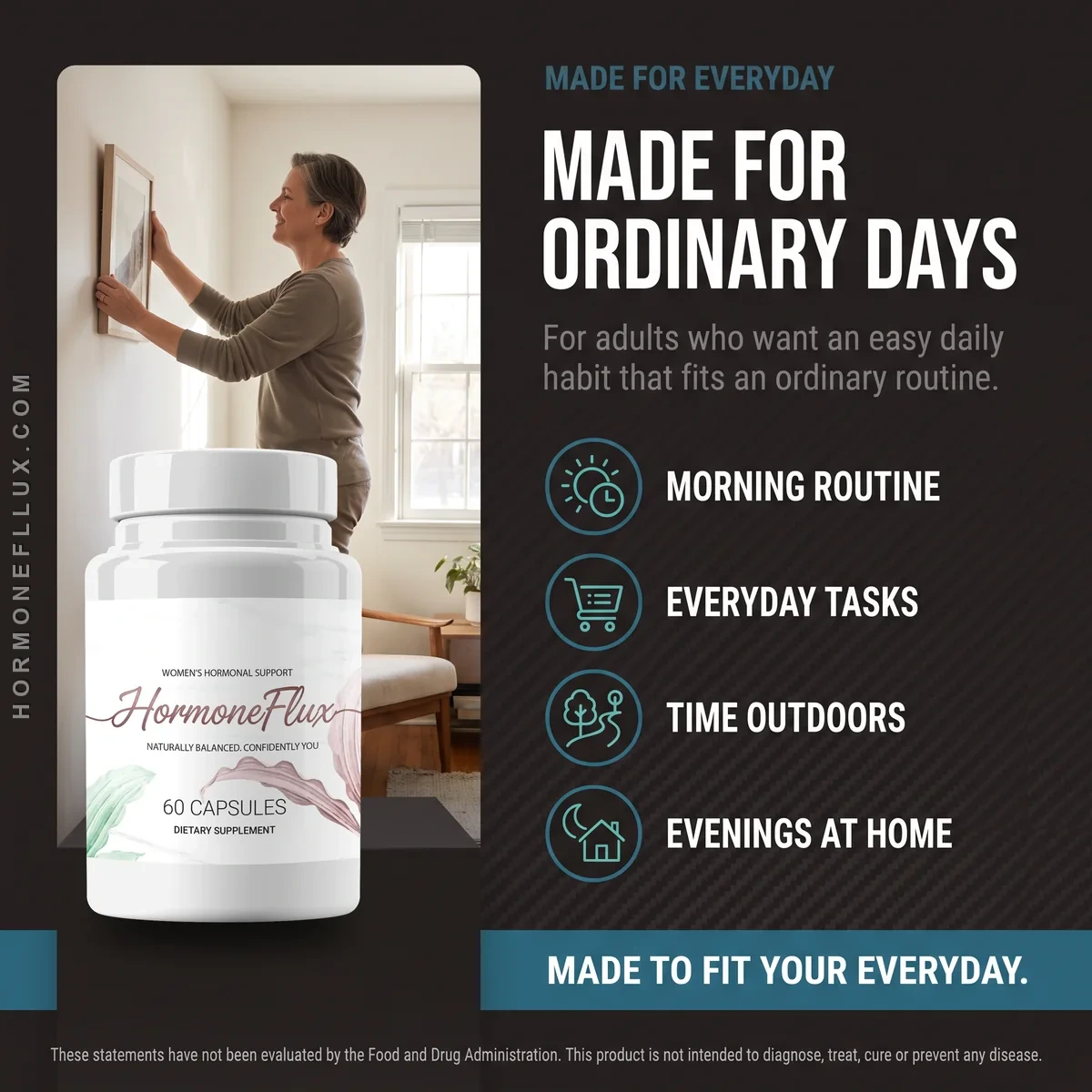
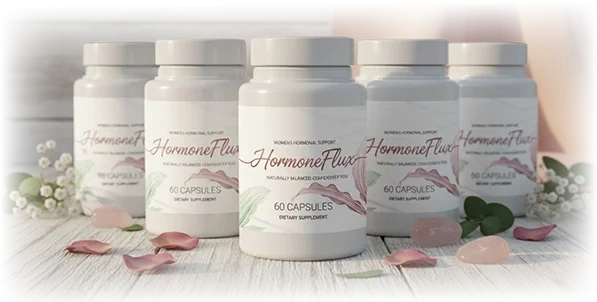
HormoneFlux pairs black cohosh and red clover with maca and ashwagandha, rounded out by chasteberry and dong quai — the botanicals women over 50 most often reach for. One vegetarian capsule a day, best value on the multi-bottle bundles, with free U.S. shipping and a 90-day guarantee.
See the exact dose in HormoneFlux — from $49/bottleHow should you build a supplement routine after 50?
The most reliable way to build a supplement routine after 50 is to work from tested gaps outward, not from the busiest label inward. Start with a blood panel that includes vitamin D and B12, then add calcium and omega-3s if your diet is short on dairy and oily fish, and magnesium if sleep and cramps are an issue. Only then add the symptom-led pieces — a botanical hormonal blend if hot flushes and mood are affecting your days. This order keeps the routine lean.
What order should you prioritise supplements in?
Prioritise supplements by the size of the gap and the strength of the evidence behind fixing it. Correcting a measured vitamin D or B12 deficiency comes first because the benefit is clear and testable. Bone-protective calcium and heart-supportive omega-3s come next, sized to your diet. Menopausal botanical support sits in the symptom tier: high value if hot flushes and mood are disrupting life, optional if they are not. The table below sketches a sensible sequence, but your bloodwork and doctor should have the final say.
| Priority | What to consider | Best guided by |
|---|---|---|
| 1. Fix deficiencies | Vitamin D, vitamin B12 | Blood test results |
| 2. Protect bone & heart | Calcium, omega-3 | Diet review with your doctor |
| 3. Support sleep & nerves | Magnesium | Symptoms and dietary intake |
| 4. Ease menopause symptoms | Botanical blend (HormoneFlux) | Symptom severity, 8–12 week trial |
| 5. Reassess | Drop anything not helping | Follow-up bloodwork & review |
Two principles keep this from spiralling. Avoid duplication — a multivitamin plus standalone versions of the same nutrients can push you past sensible limits. And give each addition a fair trial and an exit: nutrients judged by follow-up bloodwork, botanicals by an eight-to-twelve-week check. For the botanical layer, our full HormoneFlux review breaks down the panel, and our comparison of black cohosh vs red clover shows what individual herbs contribute. It is a point we return to when looking at perimenopause vs menopause.
Check today’s HormoneFlux pricing →
Where does HormoneFlux fit for women over 50?
HormoneFlux fits the menopause-comfort tier of an over-50 routine, not the bone or multivitamin tier. It is a once-daily vegetarian capsule built around the botanicals women reach for most in midlife: standardised black cohosh at its core, red clover, maca and ashwagandha for stress and energy, and chasteberry and dong quai from tradition. The design logic is coverage — the transition is rarely one sensation, so the blend spans estrogen-linked comfort and stress resilience rather than betting on a single herb. It is meant to sit alongside vitamin D and calcium, not replace them.
Being clear about what it is keeps expectations honest. HormoneFlux is a dietary supplement for everyday hormonal comfort, not a treatment, and it will not protect bone density the way vitamin D and calcium do. Used as the symptom-led layer of a wider routine, and given a fair trial, it is a reasonable non-hormonal option for women bothered by hot flushes, mood swings and disrupted sleep. Review the formula in the HormoneFlux ingredients section, or read our deep dive on maca root for women’s energy.
Is it safe to combine these supplements over 50?
For most healthy adults over 50, the common nutrient supplements and a botanical hormonal blend are generally well tolerated together, with side effects tending to be mild and digestive. A few specifics deserve care: fat-soluble vitamins like D should not be mega-dosed, calcium has upper limits, and phytoestrogen botanicals interact with estrogen receptors, so anyone with a hormone-sensitive condition should speak to a doctor first. Adaptogens like ashwagandha carry cautions around thyroid and sedative medicines. None of this makes the combination unsafe — it makes a doctor conversation worthwhile.
The practical frame is simple: treat nutrients as gap-fillers guided by bloodwork, treat botanicals as traditional support rather than treatment, follow the label, and loop in your doctor if you take prescription medicine or manage a diagnosed condition. This is general information, not personal medical advice. See our guide to black cohosh for hot flashes.
Frequently asked questions
What are the best supplements for women over 50?
The most commonly recommended foundations for women over 50 are vitamin D, calcium for bone support, vitamin B12, magnesium and omega-3 fats, plus botanical hormonal support if menopausal symptoms are a factor. There is no single best pill for everyone, because needs depend on diet, bloodwork and symptoms. A sensible plan covers the nutrient gaps that become common after 50 first, then adds targeted botanical support such as the blend in HormoneFlux for menopause-related comfort. Ask your doctor which apply to you.
What vitamins should a woman over 50 take daily?
A typical daily foundation for women over 50 includes vitamin D, vitamin B12, calcium and magnesium, since absorption and dietary intake of these often decline with age. Many women add omega-3s and a B-complex for energy and heart support. These cover nutrition rather than hormones; for menopausal hot flushes, mood and everyday steadiness, women often layer a standardised botanical blend on top. Bloodwork is the most reliable way to know which vitamins you actually need.
Do women over 50 need menopause supplements after periods stop?
Many women continue to experience hot flushes, sleep disruption and mood changes for years after their final period, so menopause support is not only a perimenopause concern. Botanical blends with black cohosh, red clover, maca and ashwagandha are traditionally used for that ongoing comfort. They are gentle support rather than hormone therapy, and they do not replace bone or heart care. If symptoms are severe, discuss medical options with your doctor as well.
Is HormoneFlux a good supplement for women over 50?
HormoneFlux is a once-daily botanical blend built around black cohosh, chasteberry, dong quai, maca, red clover and ashwagandha, which are the herbs most often reached for during and after menopause. It is designed for everyday hormonal comfort in midlife rather than as a bone or multivitamin product, so many women over 50 pair it with vitamin D and calcium. It is a dietary supplement, not a treatment, and works best as one part of a wider routine.
What is the most important supplement after menopause?
For long-term health after menopause, vitamin D and calcium are usually singled out because falling estrogen accelerates bone loss, and adequate intake supports bone maintenance. For day-to-day quality of life, the botanical hormonal-support category matters most to women bothered by hot flushes and mood swings. In other words, the most important supplement depends on whether your priority is long-term bone protection or everyday menopausal comfort. Most women benefit from covering both.
How long do supplements for women over 50 take to work?
Nutrient supplements such as vitamin D correct measurable deficiencies over weeks to a few months, best tracked by bloodwork. Botanical hormonal support like the blend in HormoneFlux is generally given eight to twelve weeks of consistent daily use before judging whether it helps, because these herbs work gradually rather than instantly. If nothing has changed after a fair trial, it is reasonable to reassess with your doctor. Consistency matters more than dose-chasing.
Try HormoneFlux risk-free for 90 days →
HormoneFlux is a dietary supplement, not a treatment for any medical condition. These statements have not been evaluated by the Food and Drug Administration. This product is not intended to diagnose, treat, cure or prevent any disease. Always consult a qualified healthcare professional about your individual needs.
References & further reading
- National Institutes of Health, Office of Dietary Supplements. Vitamin D — Fact Sheet for Consumers. ods.od.nih.gov/factsheets/VitaminD-Consumer
- National Institutes of Health, Office of Dietary Supplements. Calcium — Fact Sheet for Consumers. ods.od.nih.gov/factsheets/Calcium-Consumer
- National Center for Complementary and Integrative Health (NCCIH). Menopausal Symptoms and Complementary Health Approaches. nccih.nih.gov/health/menopausal-symptoms-in-depth
- Mayo Clinic. Dietary supplements: Do they help or hurt? mayoclinic.org/healthy-lifestyle/nutrition-and-healthy-eating
- Examine.com. Vitamin B12. examine.com/supplements/vitamin-b12
- Franco OH et al. Use of Plant-Based Therapies and Menopausal Symptoms: A Systematic Review and Meta-analysis. JAMA, 2016. pubmed.ncbi.nlm.nih.gov/27327802
- Rasool N et al. Vitamin D supplementation and bone health in post-menopausal women: a 24-month randomized controlled intervention. European Journal of Clinical Nutrition, 2026. pubmed.ncbi.nlm.nih.gov/42567908
- Avis NE et al. Duration of menopausal vasomotor symptoms over the menopause transition. JAMA Internal Medicine, 2015. pubmed.ncbi.nlm.nih.gov/25686030
These references describe the ingredients and their traditional use in general terms and do not constitute evidence that any product treats, cures or prevents any condition.
Keep reading: how to support hormone balance naturally · maca root for women’s energy · black cohosh for hot flashes · back to the HormoneFlux blog · homepage.