Do Menopause Supplements Really Work? An Honest HormoneFlux Claim-Check

Updated September 2026 · reviewed by the HormoneFlux Research Team. We are an independent information resource, not a medical provider, and this article is educational rather than medical advice.
Do menopause supplements work? The honest answer is a qualified yes-and-no: some botanical menopause supplements deliver a modest, real-but-small benefit for symptoms such as hot flushes in some women, while others perform little better than a placebo, and none is a cure. This guide is a claim-check — it separates what the evidence actually supports from what marketing tends to promise, and it explains how to judge whether a daily routine like HormoneFlux is a reasonable fit or a false hope. Expect realistic expectations, not hype.
Do menopause supplements really work — honestly?
- The short version
- Some help modestly for mild-to-moderate symptoms; none is a cure, and results vary a lot from woman to woman.
- Best evidence
- Isoflavones (soy, red clover) show a small effect on hot flushes; black cohosh is mixed but reasonable in some reviews.
- Set expectations
- Think gentle support over 8–12 weeks, not an overnight switch-off of symptoms.
- Worth it if
- Symptoms are mild-to-moderate, the product is standardised and transparently dosed, and you have realistic goals.
- See a doctor if
- Symptoms are severe, or you are pregnant, nursing, medicated or managing a hormone-sensitive condition.
Few wellness categories attract bolder claims than menopause supplements. Labels promise to “end” hot flushes, “rebalance” hormones and “turn back” the transition — language that outruns the science by a wide margin. Yet dismissing the whole shelf as snake oil is equally unfair, because a handful of botanicals do have genuine, if modest, research behind them. The useful position sits between the hype and the cynicism, and that is where this claim-check aims to land: honest about what works, blunt about what does not.
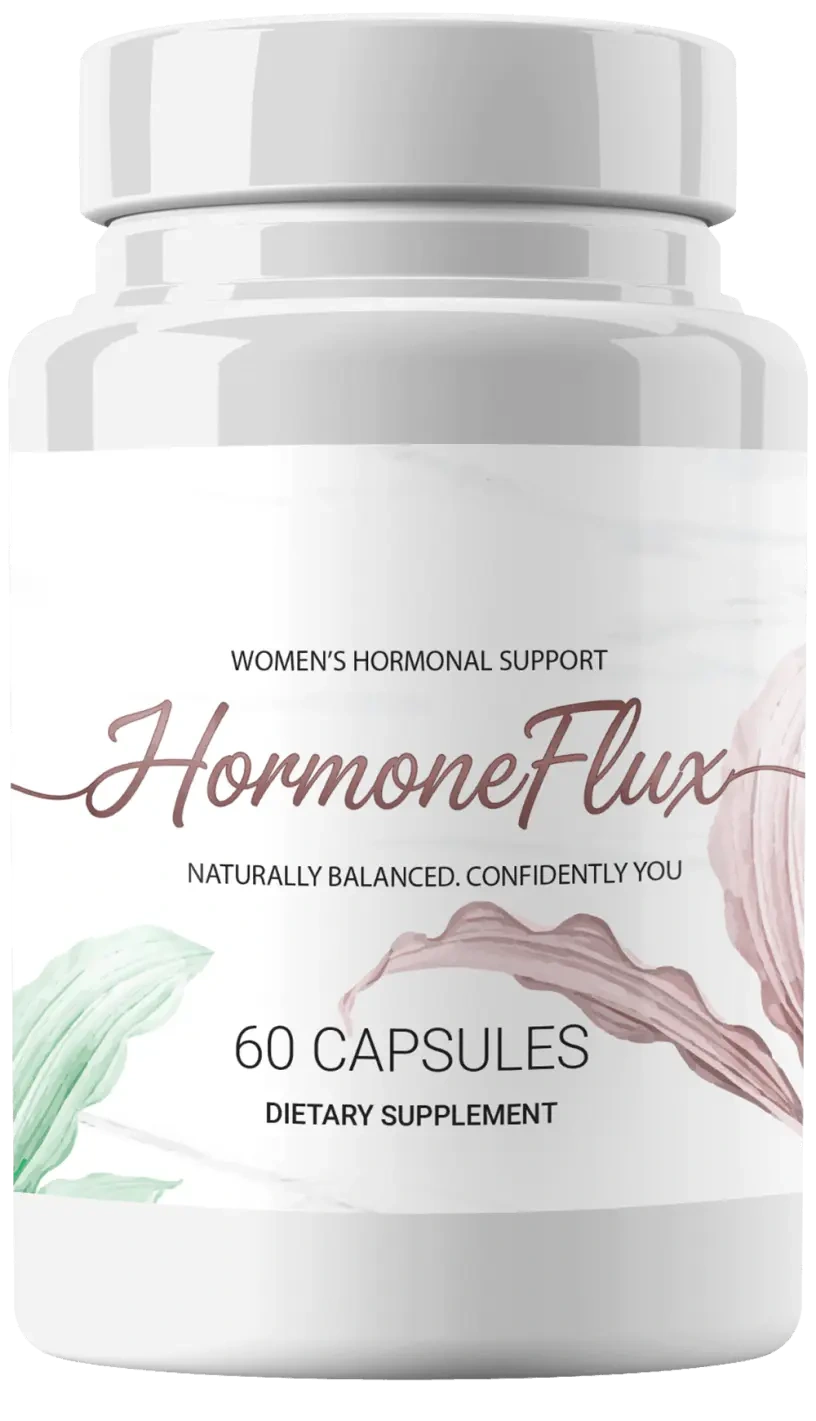
Do menopause supplements really work, or is it just marketing?
Menopause supplements work in the sense that specific botanicals can modestly ease certain symptoms for some women, but they do not work as the dramatic hormone-resetting fixes that marketing often implies. The distinction matters. A product that claims to “support hot-flush comfort” is making a fair, evidence-adjacent statement; a product that claims to “eliminate menopause symptoms” is making a promise no botanical can keep. When you read the research rather than the packaging, the picture is consistent: measurable but small average effects, wide variation between people, and a strong placebo response that muddies every study. The pooled trial evidence behind that sits in Franco OH et al., Use of Plant-Based Therapies and Menopausal Symptoms: A Systematic Review and Meta-analysis, JAMA (2016).
What does "work" even mean for a supplement?
Deciding whether a supplement “works” depends entirely on the bar you set, and menopause research usually sets a modest one. In trials, success is rarely the disappearance of symptoms; it is a statistically meaningful reduction in the frequency or intensity of hot flushes, or a measurable improvement in sleep or mood scores, compared with placebo. So a supplement can “work” in the scientific sense — beating placebo by a real margin — while still leaving you with symptoms. Understanding that gap is the single most useful thing you can do before spending money.
Why is the placebo effect so large here?
The placebo effect is unusually strong in menopause studies, which is precisely why honest evidence is hard to read. Vasomotor symptoms like hot flushes are influenced by stress, attention and expectation, so many women improve simply because they are taking something and being monitored — placebo groups in hot-flush trials often report 20 to 40 percent reductions on their own. Any supplement must beat that moving target to prove itself, and several fail to. This is not a knock on supplements specifically; it is a reminder that “I felt better” and “the ingredient did it” are not the same claim.
| Common claim on a label | What the evidence actually supports |
|---|---|
| “Eliminates hot flushes” | At best a modest average reduction in some women; never elimination |
| “Rebalances your hormones” | Botanicals nudge receptors gently; they do not reset hormone levels |
| “Works in days” | Most need 8–12 weeks of consistent use to judge fairly |
| “Clinically proven” | Usually means one ingredient has trials — often small and mixed |
| “Gentle daily support” | The fair, evidence-adjacent framing this category can honestly claim |
Does black cohosh work — and which ingredients have the best evidence?
Black cohosh works modestly for some women and not at all for others, and that mixed result is actually representative of the whole category. It is one of the most-studied menopause botanicals: several trials and reviews report reduced hot flushes and better sleep, while others find it no better than placebo. The U.S. National Center for Complementary and Integrative Health summarises the research as inconsistent, which is a more honest verdict than either “proven” or “useless.” For a healthy adult using it short-term, black cohosh is a reasonable, well-tolerated thing to try — provided the expectation is modest help, not a guaranteed fix. The pooled trial evidence behind that sits in Sadahiro R et al., Black cohosh extracts in women with menopausal symptoms: an updated pairwise meta-analysis, Menopause (2023).
Isoflavones — the phytoestrogens in soy and red clover — carry the most consistent evidence in the category, though the effect is still small. Reviews suggest they can reduce the frequency and severity of hot flushes for some women, with benefits that build over weeks. Beyond these, the evidence thins quickly: dong quai and chasteberry rest largely on traditional use, and adaptogens such as ashwagandha and maca are studied more for stress and energy than for hot flushes directly. The table below ranks the honesty of the evidence, not the loudness of the marketing. The same reasoning runs through our explainer on the best supplements for women over 50.
| Ingredient | Evidence for menopause symptoms | Fair verdict |
|---|---|---|
| Soy / red clover isoflavones | Most consistent; small effect on hot flushes | Best-supported, still modest |
| Black cohosh | Well-studied but genuinely mixed | May help some, not proven for all |
| Ashwagandha (adaptogen) | Better for stress and sleep than hot flushes | Indirect support |
| Maca | Thin but encouraging early data | Promising, under-studied |
| Dong quai & chasteberry | Mostly traditional use | Traditional, not strongly proven |
The pattern is clear: no single botanical carries the category, and the strongest players still deliver modest, variable results. That is a big part of the reasoning behind multi-ingredient blends — not because more is automatically better, but because pairing better-supported ingredients hedges against the wide variation in how individual women respond. Our deep dives on black cohosh for hot flashes and red clover isoflavones walk through each ingredient’s evidence in more detail.

Want to see the actual doses, not just claims?
HormoneFlux lists its botanicals and amounts openly — a standardised black cohosh core alongside red clover, chasteberry, dong quai, maca and more — so you can judge it against the evidence rather than the hype. The multi-bottle bundles are the best value, with free U.S. shipping and a 90-day guarantee.
See the exact dose in HormoneFlux — from $49/bottleHow long do menopause supplements take to work?
Menopause supplements take time to work because botanicals build up gradually, so a fair trial is eight to twelve weeks of consistent daily use rather than a few days. Herbs like black cohosh and red clover are not fast-acting the way a medication can be; their effects, where they occur, accumulate slowly and subtly. Judging a supplement after a week is like judging a fitness routine after one workout. If you are going to try one, commit to the full window, take it consistently at the same time each day, and keep a simple symptom note so you are measuring change rather than relying on memory. A systematic summary of that work is Myers SP & Vigar V, Effects of a standardised extract of Trifolium pratense (Promensil) at a dosage of 80mg in the treatment of menopausal hot flushes: A systematic review and meta-analysis, Phytomedicine (2017).
It also helps to define your finish line before you start. Decide what a meaningful result would look like — fewer night wakings, milder flushes, steadier mood — and check against that at the end of the trial. If nothing has shifted after roughly three months, that is useful information: it is reasonable to stop, reassess, and talk to a doctor about other options rather than endlessly rebuying in hope. Honest self-assessment is part of using this category well, and our primer on how to support hormone balance naturally puts supplements inside that wider routine.

Are menopause supplements worth it for you?
Menopause supplements are worth trying for women with mild to moderate symptoms who prefer a botanical routine and hold realistic expectations, and they are a poor bet for anyone expecting a cure or managing severe symptoms that need medical care. The value calculation is genuinely personal. If your hot flushes are occasional and your goal is gentle everyday support, a standardised, transparently dosed product is a low-risk thing to test. If your symptoms are severe enough to disrupt work or sleep most nights, a supplement is unlikely to be enough, and hormone therapy or other medical options discussed with a clinician deserve priority. Readers weighing this up usually find our guide to how to choose a hormone balance supplement useful next.
Product quality changes the math too. A supplement that hides its ingredients inside a vague “proprietary blend” makes it impossible to know whether you are getting an evidence-based dose or a fairy dusting, which tilts the worth-it question toward no. A product that states each botanical and its amount, uses well-studied ingredients, and claims support rather than a cure is one you can actually evaluate — and that transparency is the practical difference between a reasonable purchase and a gamble.
What are the honest downsides and cautions?
The honest downsides of menopause supplements are modest average benefits, real cost over months, and cautions that some shoppers overlook. Side effects are usually mild and digestive, but because phytoestrogens interact with estrogen receptors, they are not appropriate for everyone. Anyone who is pregnant or nursing, takes prescription medication, or has a hormone-sensitive condition should speak with a doctor before starting. Treating supplements as gentle, traditional support rather than treatment — and looping in a clinician when anything is uncertain — keeps the risk low and the expectations sane.
Check today’s HormoneFlux pricing →
What should you look for in a menopause supplement like HormoneFlux?
The best menopause supplements share a short checklist: transparent doses, well-studied botanicals, quality manufacturing signals, and marketing that promises support rather than a cure. HormoneFlux is built around exactly that checklist, which is why it fits an honest claim-check rather than fighting it. It pairs a standardised black cohosh core with red clover on the phytoestrogen side and maca and ashwagandha on the adaptogen side, then rounds out the blend with chasteberry and dong quai — and it states those ingredients and amounts openly instead of hiding them in a proprietary blend.
That transparency is the point. It lets you compare HormoneFlux against the evidence in this very article, ingredient by ingredient, rather than taking a label’s word for it. No formula can promise to end your symptoms, and HormoneFlux does not try to; the aim is steadier day-to-day comfort across the whole transition, dosed openly and backed by a 90-day guarantee so a fair trial costs you little. You can see the full panel in the HormoneFlux ingredients section, or read the complete HormoneFlux review for the wider context.
Frequently asked questions
Do menopause supplements really work?
Some botanical menopause supplements show a modest, real-but-small benefit for symptoms like hot flushes in some women, while others show little more than placebo. The honest summary is that they can help take the edge off for many people, but they are not a cure and results vary widely between individuals. Evidence is strongest for isoflavones and reasonable for black cohosh in some reviews, and expectations should be set for gentle support rather than dramatic change.
Does black cohosh work for menopause symptoms?
Black cohosh is one of the most-studied menopause botanicals, and reviews are genuinely mixed: some trials report reduced hot flushes and better sleep, while others find it performs no better than placebo. It is generally well tolerated for short-term use in healthy adults. The fair conclusion is that black cohosh may help some women modestly, but the evidence is not strong enough to promise it will work for everyone.
How long do menopause supplements take to work?
Most botanical menopause supplements are designed to build up gradually, so a realistic trial is eight to twelve weeks of consistent daily use before judging the result. Herbs like black cohosh and red clover are not fast-acting the way medication can be, so a few days is not a fair test. If nothing has shifted after roughly three months, it is reasonable to stop and reconsider with a doctor.
Are menopause supplements worth it?
Menopause supplements can be worth trying for women with mild to moderate symptoms who prefer a botanical routine and have realistic expectations, especially when the product is standardised and transparently dosed. They are less worth it if you expect a cure, have severe symptoms that need medical care, or choose a product that hides its doses in a proprietary blend. The value depends on symptom severity, product quality and how you define success.
Are menopause supplements safe to take?
For most healthy adults, well-made botanical menopause supplements are generally well tolerated, with side effects that tend to be mild and digestive. Because ingredients such as phytoestrogens interact with estrogen receptors, anyone who is pregnant or nursing, takes medication, or has a hormone-sensitive condition should speak with a doctor first. This is general information, not personal medical advice.
What should I look for in a menopause supplement like HormoneFlux?
Look for standardised, transparently listed doses rather than a hidden proprietary blend, well-studied botanicals such as black cohosh and red clover, third-party quality signals, and marketing that promises support rather than a cure. HormoneFlux is built around this checklist, pairing a black cohosh core with phytoestrogen and adaptogen botanicals and stating its doses openly. A clear label and honest claims are the practical markers of a product worth trying.
Try HormoneFlux risk-free for 90 days →
HormoneFlux is a dietary supplement, not a treatment for any medical condition. These statements have not been evaluated by the Food and Drug Administration. This product is not intended to diagnose, treat, cure or prevent any disease. Always consult a qualified healthcare professional about your individual needs.
References & further reading
- National Center for Complementary and Integrative Health (NCCIH). Menopausal Symptoms and Complementary Health Approaches. nccih.nih.gov/health/menopausal-symptoms-in-depth
- NCCIH. Black Cohosh — What the Science Says. nccih.nih.gov/health/black-cohosh
- Examine.com. Soy Isoflavones & Phytoestrogens. examine.com/supplements/soy-isoflavones
- Franco OH et al. Use of Plant-Based Therapies and Menopausal Symptoms: A Systematic Review and Meta-analysis. JAMA, 2016. pubmed.ncbi.nlm.nih.gov/27327802
- Sadahiro R et al. Black cohosh extracts in women with menopausal symptoms: an updated pairwise meta-analysis. Menopause, 2023. pubmed.ncbi.nlm.nih.gov/37192826
- Mayo Clinic. Menopause — Diagnosis & treatment. mayoclinic.org/diseases-conditions/menopause
- Myers SP & Vigar V Effects of a standardised extract of Trifolium pratense (Promensil) at a dosage of 80mg in the treatment of menopausal hot flushes: A systematic review and meta-analysis. Phytomedicine, 2017. pubmed.ncbi.nlm.nih.gov/28160855
These references describe the ingredients and their traditional use in general terms and do not constitute evidence that any product treats, cures or prevents any condition.
Keep reading: black cohosh for hot flashes · red clover isoflavones · how to support hormone balance naturally · back to the HormoneFlux blog · homepage.