Maca root for women’s energy: the HormoneFlux adaptogen guide

Updated September 2026 · reviewed by the HormoneFlux Research Team. We are an independent information resource, not a medical provider, and this article is educational rather than medical advice.
Maca root for women is a food-based adaptogen — the dried root of Lepidium meyenii, grown high in the Peruvian Andes and traditionally taken to support everyday energy, stamina and a general sense of vitality. It contains no caffeine and works gradually rather than as a quick lift, which is why it appears in daily formulas like HormoneFlux rather than in energy shots. This deep-dive explains what maca is, how it is thought to work, what the evidence does and does not show, and how it fits into a steady routine.
What maca root does for women, in one place.
- What it is
- The root of Lepidium meyenii (maca), a Peruvian Andean plant eaten as a food for centuries and grouped with the adaptogens.
- Why women take it
- Traditionally for steady energy, stamina and vitality — a background lift rather than a stimulant hit.
- Caffeine?
- None. Maca is not a stimulant, so there is no jitter-and-crash and it rarely disturbs sleep.
- How fast
- It builds gradually; most women give it several weeks of daily use, and results vary.
- Where it fits
- One of eight botanicals in HormoneFlux, taken alongside — not instead of — good sleep, whole-food meals and movement.
If you have looked for a clean, non-caffeinated way to feel more like yourself by mid-afternoon, you have probably seen maca. It is a core botanical in HormoneFlux, and below we separate what is well established from what is still traditional use, so you can decide where maca belongs in your day.
What is maca root, and why do women take it?
Maca root is the dried, ground root of Lepidium meyenii, a hardy cruciferous plant that grows above 4,000 metres in the Peruvian Andes, where the air is thin and the weather is harsh. Andean communities have eaten it as a staple food and used it traditionally for energy and stamina for centuries, long before it reached the modern supplement shelf. Because it is thought to help the body cope with everyday physical and mental demand, it is classed among the adaptogens — plants associated with resilience rather than a single targeted effect. That literature is reviewed in Gonzales GF, Ethnobiology and Ethnopharmacology of Lepidium meyenii (Maca), a Plant from the Peruvian Highlands, Evidence-Based Complementary and Alternative Medicine (2012).
For women specifically, maca is most often reached for as a gentle, non-stimulant support for energy and vitality — the kind of steady get-up-and-go that makes ordinary days feel less like a slog. It comes in different colours (yellow, red and black), which reflect natural variation in the crop, and it is sold as a powder, a capsule or an extract. In HormoneFlux it appears in capsule form, standardised and combined with other botanicals so the dose is consistent from one day to the next.
How does maca support energy without caffeine?
Maca supports energy in a fundamentally different way from caffeine: instead of stimulating the nervous system for a few sharp hours, it is taken daily as a nutrient-dense food that the body draws on in the background. That distinction matters for how it feels and when you can take it.
Is maca a stimulant?
No — maca contains no caffeine and does not act on the body the way coffee, tea or an energy drink does. There is no racing pulse, no jitter and no mid-afternoon crash, and because it is not stimulating, most women can take it in the morning without it interfering with that night’s sleep. What people describe is less a “hit” and more a slow flattening of the peaks and troughs in their day.
What is actually in maca?
Maca is genuinely food-like: it supplies carbohydrate, fibre, plant protein, and a range of vitamins and minerals, along with plant compounds unique to the root called macamides and macaenes. Researchers are still mapping exactly how these compounds work, so the honest position is that maca’s nutrient density is well documented while the precise mechanism behind its traditional energy reputation is not yet fully understood. That is an area where the evidence is genuinely incomplete, and it is worth saying so plainly.

What does the research on maca actually show?
The research on maca is promising but still early, and the strongest claim the evidence supports is modest: several small trials suggest maca may support wellbeing and energy-related quality of life, while larger, longer studies are still needed to be sure. It is important to read maca’s reputation through that lens rather than through marketing. The table below sorts the common talking points by how much human evidence currently sits behind them. A systematic summary of that work is Lee MS et al., Maca (Lepidium meyenii) for treatment of menopausal symptoms: A systematic review, Maturitas (2011).
| What people say about maca | Evidence status | Honest summary |
|---|---|---|
| Nutrient-dense food | Well established | Maca clearly supplies carbohydrate, fibre, protein, vitamins and minerals. |
| Supports energy & wellbeing | Early, encouraging | Some small trials point this way; bigger, longer studies are still needed. |
| Menopausal comfort | Mixed / limited | A few small studies are positive, but reviews call the evidence inconclusive. |
| Non-caffeine, non-stimulant | Well established | Maca contains no caffeine and does not act as a stimulant. |
| Generally well tolerated | Well established | Long food history; mild digestive upset is the most common report. |
In short, maca is best understood as a traditionally used, food-based support with encouraging early research — not a proven remedy for any condition. That is exactly how HormoneFlux positions it: as one supporting botanical among several, not as a cure. For the wider picture of how these herbs fit together, see our guide to supporting hormone balance naturally. The same reasoning runs through our explainer on maca vs ashwagandha for women.
See the exact maca dose in HormoneFlux →
How much maca root is in HormoneFlux, and how do you take it?
In HormoneFlux, maca is one of eight women’s botanicals delivered in a single daily two-capsule serving, so you get a consistent amount without measuring powder or tolerating maca’s earthy taste. The precise per-serving figure is printed on the Supplement Facts panel on the product page, because a capsule dose and a culinary spoonful of powder are not the same thing. The table below gives realistic context for how maca is typically taken.
| Format | Typical daily use | Notes |
|---|---|---|
| Maca powder (culinary) | Around 1.5–3 g, blended into food | Amounts used in many studies; earthy flavour, needs mixing. |
| Maca capsule / extract | Per the product label | Pre-measured and taste-free; consistency day to day. |
| Maca in HormoneFlux | Two capsules daily, with a meal | Combined with 7 other botanicals; see the Supplement Facts panel. |
How to take it: maca rewards consistency, so the simplest approach is to take HormoneFlux at the same time each day — two capsules with a meal, most often in the morning — and give it several weeks. Because it is not a stimulant, there is no need to time it away from bedtime for most people. Pair it with the basics that do the heaviest lifting: whole-food meals, regular movement and enough sleep.

Make maca a daily habit
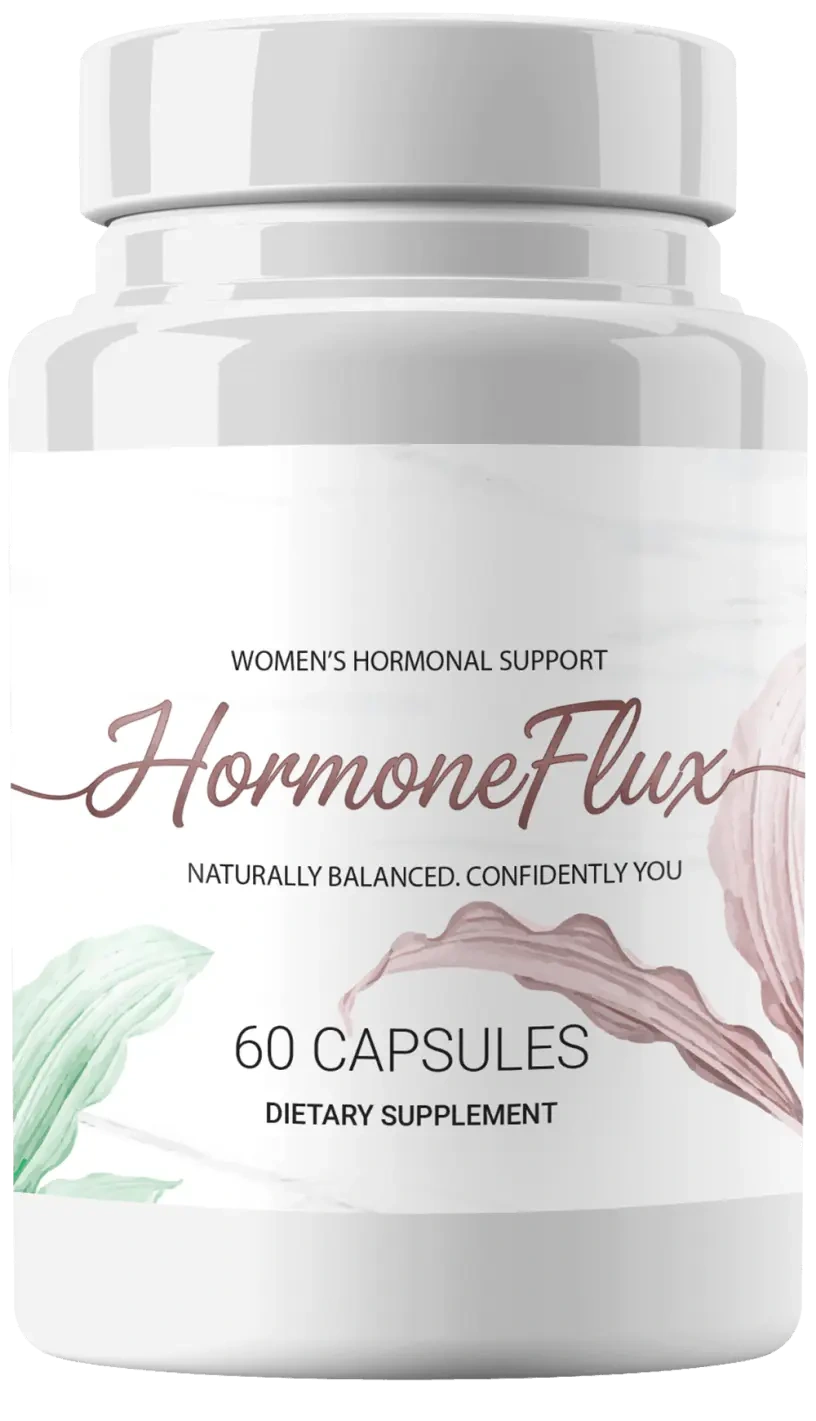
HormoneFlux is a once-daily capsule pairing maca with seven other women’s botanicals in one simple step. The six-bottle bundle is the best value at $49 per bottle, with free U.S. shipping and a 90-day guarantee.
Check today’s HormoneFlux pricing — from $49/bottleWho is maca root for — and who should be cautious?
Maca root is best suited to generally healthy women who want a clean, non-caffeinated way to support everyday energy and vitality as part of a balanced routine. It is not a fit for everyone, and a supplement is never a substitute for medical care. Maca has a long history as a food and is generally well tolerated, with mild digestive upset — a little bloating or an unsettled stomach — being the most commonly reported effect, usually easing when it is taken with food.
Certain groups should check with a doctor first. Speak to your healthcare professional before taking maca or any supplement if you are pregnant or nursing, are under 18, take any medication (including hormone therapy or thyroid medication), have a diagnosed condition, or are due to have surgery. If anything feels off after starting, stop and ask for advice. This simple step keeps maca in its proper place: a supporting habit that fits safely around your care.
How does maca compare to other adaptogens?
Maca and ashwagandha are the two adaptogens women ask about most, and the short version is that they solve different feelings: maca leans toward energy and vitality, while ashwagandha leans toward calm and stress resilience. They are not rivals so much as complements, which is why formulas like HormoneFlux pair botanicals rather than betting on a single hero ingredient. The trial itself is Stojanovska L et al., Maca reduces blood pressure and depression, in a pilot study in postmenopausal women, Climacteric (2015).
Maca sits inside a botanical blend in HormoneFlux alongside black cohosh and chasteberry — herbs traditionally linked with menopausal comfort and monthly balance — plus dong quai, wild yam and sage. The idea is stacking gentle, traditionally used supports rather than relying on maca alone. If you want to understand the menopause-focused herbs in that blend, our guide to black cohosh and chasteberry is a good next read, or you can see the full list in the ingredients section.

Frequently asked questions
What is maca root, and what is it used for?
Maca root is the dried root of Lepidium meyenii, a hardy plant grown high in the Peruvian Andes and eaten there as a food for centuries. It is traditionally taken to support everyday energy, stamina and vitality, which is why it is grouped with the adaptogens. It is a food-based support, not a treatment for any disease.
Does maca contain caffeine or act as a stimulant?
No. Maca contains no caffeine and is not a stimulant, so it does not cause the jitter-and-crash pattern of a coffee or energy drink. Its traditional role is to support steady, background vitality rather than to deliver a sharp lift, which is why many women take it in the morning without affecting sleep.
How much maca root is in HormoneFlux?
HormoneFlux includes maca as one of eight women's botanicals in its daily two-capsule serving, alongside black cohosh, chasteberry, dong quai and others. The exact per-serving amount is printed on the Supplement Facts panel; for the current figure, check the label shown on the product page.
How long does maca take to work?
Maca is not an instant lift; it is taken daily and builds its support gradually. Most women give it several weeks of consistent use, and many studies run for six to twelve weeks. Results vary from person to person, and maca works best alongside good sleep, whole-food meals and regular movement.
Is maca root safe for women to take?
Maca has a long history as a food and is generally well tolerated, with mild digestive upset the most commonly reported effect. It is not a substitute for medical care. If you are pregnant or nursing, take medication, or have a diagnosed condition, speak with your doctor before adding maca or any supplement.
What is the difference between maca and ashwagandha?
Both are adaptogens, but they come from different traditions and are used for different feelings. Maca, from the Andes, is associated with energy, stamina and vitality; ashwagandha, from Ayurveda, is valued for calm and stress resilience. Many formulas, including HormoneFlux, pair them so the day feels both steady and energised.
Try HormoneFlux with maca risk-free for 90 days →
HormoneFlux is a dietary supplement, not a treatment for any medical condition. These statements have not been evaluated by the Food and Drug Administration. This product is not intended to diagnose, treat, cure or prevent any disease. Always consult a qualified healthcare professional about your individual needs.
References & further reading
- National Center for Complementary and Integrative Health (NCCIH). Maca. nccih.nih.gov/health/maca
- Examine.com. Maca (Lepidium meyenii) — evidence overview. examine.com/supplements/maca
- Gonzales GF. Ethnobiology and ethnopharmacology of Lepidium meyenii (maca). Evidence-Based Complementary and Alternative Medicine, via PubMed Central. ncbi.nlm.nih.gov/pmc/articles/PMC3184420
- Gonzales GF Ethnobiology and Ethnopharmacology of Lepidium meyenii (Maca), a Plant from the Peruvian Highlands. Evidence-Based Complementary and Alternative Medicine, 2012. pubmed.ncbi.nlm.nih.gov/21977053
- National Center for Complementary and Integrative Health (NCCIH). Using Dietary Supplements Wisely. nccih.nih.gov/health/using-dietary-supplements-wisely
- Lee MS et al. Maca (Lepidium meyenii) for treatment of menopausal symptoms: A systematic review. Maturitas, 2011. pubmed.ncbi.nlm.nih.gov/21840656
- Stojanovska L et al. Maca reduces blood pressure and depression, in a pilot study in postmenopausal women. Climacteric, 2015. pubmed.ncbi.nlm.nih.gov/24931003
These references describe maca and dietary supplements in general terms and do not constitute evidence that any product treats, cures or prevents any condition.
Keep reading: how to support hormone balance naturally · black cohosh & chasteberry for menopause · back to the HormoneFlux blog · the HormoneFlux review.