Maca vs Ashwagandha for Women: How HormoneFlux Uses Both

Updated September 2026 · reviewed by the HormoneFlux Research Team. We are an independent information resource, not a medical provider, and this article is educational rather than medical advice.
Maca vs ashwagandha for women comes down to two adaptogens that pull in complementary directions: maca, a Peruvian root traditionally used for bright daytime energy, stamina and libido, and ashwagandha, an Ayurvedic herb used to steady the stress response and calm a wired-but-tired feeling. Rather than crowning a winner, HormoneFlux pairs both in one daily capsule so vitality and calm are covered together. This guide compares their roles, the evidence, sensible doses, and why the pairing makes sense.
Maca or ashwagandha for women, in one honest paragraph.
- The short version
- Maca leans toward daytime energy and vitality; ashwagandha leans toward a calmer stress response. They complement rather than compete.
- Best for energy
- Maca for get-up-and-go stamina; ashwagandha for the tiredness that comes from feeling stressed and wired.
- Take them together?
- Yes — they are commonly combined, and HormoneFlux includes both in one daily vegetarian capsule.
- Timeframe
- Both build gradually; give a daily routine 8–12 weeks before judging the fit.
- Evidence
- Promising but not conclusive for either — treat both as traditional support, not proven treatments.
Maca and ashwagandha sit at the top of the adaptogen list in women’s wellness. They are often framed as rivals, yet they answer different questions — one about vitality, the other about resilience under stress. Below we set them side by side and explain why HormoneFlux treats them as partners.
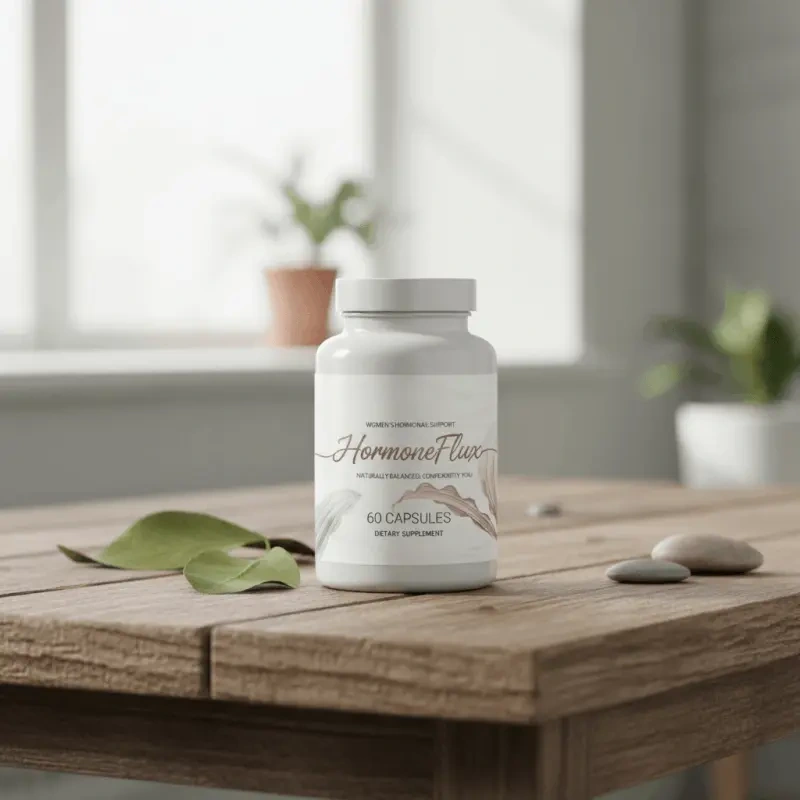
What is the difference between maca and ashwagandha for women?
The difference between maca and ashwagandha for women is one of emphasis: maca is a nourishing root used for daytime energy, stamina and libido, while ashwagandha is a calming adaptogen used to steady the body’s response to stress. Both are classed as adaptogens — botanicals traditionally said to help the body cope with everyday demands — but they come from opposite corners of the world and different herbal traditions. Maca (Lepidium meyenii) grows high in the Peruvian Andes and has been eaten as a food and tonic for centuries. Ashwagandha (Withania somnifera) is a cornerstone of Ayurveda, where its name loosely translates to the strength and steadiness associated with its root.
For a woman comparing labels, the practical takeaway is that these two herbs are not interchangeable. If your goal is a brighter, more energised feeling through the day, maca is the more traditionally aligned choice. If the issue is feeling frazzled, over-stretched or unable to switch off, ashwagandha is the one with the reputation. The reason blends like HormoneFlux carry both is that most women are not choosing between energy and calm — they want both, on the same day.
Are maca and ashwagandha both adaptogens?
Yes — maca and ashwagandha are both commonly described as adaptogens, a traditional category of plants used to support the body under stress without a strong stimulant effect. That shared label is part of why they get compared so often. But belonging to the same category does not make them equivalent: an adaptogen comparison for women has to look at what each herb is actually reached for, and here their traditional roles diverge more than the shared name suggests.
Maca or ashwagandha for energy: which does what?
For energy, maca and ashwagandha work along two different routes: maca is used to add vitality and stamina, whereas ashwagandha is used to remove the drain that comes from a stressed, wired state. This distinction matters because “low energy” means different things to different women. If you feel flat and want more physical get-up-and-go, that is maca’s traditional territory. If you feel exhausted precisely because you are tense and running on adrenaline, ashwagandha’s calming reputation is the better match — the energy return comes from settling the stress rather than pushing harder. The trial itself is Brooks NA et al., Beneficial effects of Lepidium meyenii (Maca) on psychological symptoms and measures of sexual dysfunction in postmenopausal women are not related to estrogen or androgen content, Menopause (2008).
Neither herb is a stimulant like caffeine, and neither delivers a same-day jolt. Both are slow builders that reward daily consistency. Shoppers sometimes expect an adaptogen to work like an energy drink and conclude it “did nothing” after two days. The traditional frame is patience: a steady routine over weeks, not a single dose.

Ashwagandha vs maca for hormones and stress: what to expect?
On hormones and stress, ashwagandha is the one with the stronger research conversation around the stress response, while maca is discussed more for vitality and comfort during hormonal transitions. It is important to be precise here, because this is where marketing tends to overreach. Neither maca nor ashwagandha is a hormone, and neither replaces hormone therapy. What ashwagandha is best known for — in both tradition and the better studies — is supporting how the body handles stress, including measures of perceived stress and sleep quality. Because chronic stress and hormonal balance are intertwined, that support is often framed in a women’s-wellness context, but it is general support rather than a direct hormonal claim. The trial itself is Salve J et al., Adaptogenic and Anxiolytic Effects of Ashwagandha Root Extract in Healthy Adults: A Double-blind, Randomized, Placebo-controlled Clinical Study, Cureus (2019).
Maca, for its part, is most associated with everyday energy, mood and libido, and is one of the botanicals women reach for around perimenopause. As with black cohosh, the single-ingredient evidence is promising rather than settled — which is why a thoughtfully built blend makes sense. For a closer look at each herb on its own, see our deep dives on ashwagandha for women’s hormones and maca root for women’s energy.
| Maca (Lepidium meyenii) | Ashwagandha (Withania somnifera) | |
|---|---|---|
| Origin | Peruvian Andes, eaten as food & tonic | Ayurvedic tradition of India |
| Traditional lean | Energy, stamina, libido | Calm, stress resilience, sleep |
| Part used | Root (often gelatinised powder) | Root (often standardised extract) |
| Best framed for | Daytime vitality | Feeling wired-but-tired |
| A hormone? | No — a food-grade root | No — a non-hormonal adaptogen |
| Onset | Gradual, over weeks | Gradual, over weeks |

Want maca and ashwagandha in one capsule?
HormoneFlux combines maca and ashwagandha with black cohosh, chasteberry, dong quai and more in a single daily vegetarian capsule — vitality and calm without juggling two jars. The six-bottle bundle is the best value at $49 per bottle, with free U.S. shipping and a 90-day guarantee.
See the exact dose in HormoneFlux — from $49/bottleWhat does the research actually show on maca and ashwagandha?
The honest research picture is that both maca and ashwagandha have a real but limited evidence base, with ashwagandha holding the more consistent signal for stress and maca the more suggestive one for energy and menopausal comfort. For ashwagandha, several randomised trials point to improvements in perceived-stress and sleep-quality scores, though studies are often small and short. For maca, the literature includes small trials touching on energy, mood and sexual well-being, especially around menopause, but the results are mixed and the sample sizes modest. Independent resources such as the NIH’s NCCIH and Examine.com describe both herbs as promising areas of study rather than proven treatments. A systematic summary of that work is Lee MS et al., Maca (Lepidium meyenii) for treatment of menopausal symptoms: A systematic review, Maturitas (2011).
This is the evidence-led position HormoneFlux stands behind. A comparison like this is not about declaring a champion but about matching each herb to the job it is best suited for — and recognising that a blend lets each contribute its traditional strength without over-promising on any one.
| Claim | Maca | Ashwagandha | Confidence |
|---|---|---|---|
| Long traditional use | Yes | Yes | High |
| Supports stress response | Limited | Plausible — better studied | Moderate |
| Supports everyday energy | Plausible — suggestive | Indirect (via calmer state) | Low–Moderate |
| Proven to treat any disease | No | No | — |
| Generally well tolerated | Yes — food-grade root | Yes — for most healthy adults | Moderate |
Check today’s HormoneFlux pricing →
What are sensible maca and ashwagandha doses, and are they safe?
Sensible dosing follows how each herb has been studied: maca is commonly used in the range of about 1.5 to 3 grams of root powder daily, while standardised ashwagandha root extract is typically studied at roughly 250 to 600 mg per day. In a multi-botanical blend the amounts are calibrated to work alongside other ingredients rather than to hit the ceiling of any single-herb study, and more is not better with adaptogens — consistency at a moderate dose is what the tradition rewards. HormoneFlux keeps both maca and ashwagandha within their everyday, well-precedented ranges as part of a balanced formula.
On safety, both are generally well tolerated by most healthy adults, with occasional mild digestive upset the most common complaint. Neither is recommended during pregnancy or breastfeeding. Ashwagandha in particular warrants a doctor’s input for anyone with a thyroid or autoimmune condition, or on medication, and liver-related caution is wise as with any supplement. This is general information, not personal medical advice — if you have a diagnosed condition or take prescription medicine, check with your doctor first.
Should you cycle maca and ashwagandha?
Cycling — taking a herb for a stretch, then pausing — is a common habit with adaptogens, but there is no firm rule that maca and ashwagandha must be cycled. Many women simply take them consistently and re-evaluate every few months. The habits that matter more are using a quality product, keeping to the label, and looping in a doctor if anything changes. If you want the broader routine around these herbs, our guide to how to support hormone balance naturally puts them in context.
Why does HormoneFlux pair maca and ashwagandha instead of picking one?
HormoneFlux pairs maca and ashwagandha because their traditional strengths are complementary rather than redundant: maca brings the daytime-vitality lean and ashwagandha brings the stress-steadying lean, so the formula covers both sides of the “tired and tense” complaint that so many women describe. Building a blend this way answers the limitation running through this whole comparison — that single-ingredient evidence is promising but not conclusive. When several well-chosen botanicals each contribute their traditional strength, the formula as a whole aims for steadier day-to-day comfort rather than betting everything on one herb.
Around this pair, HormoneFlux adds black cohosh for menopausal comfort, chasteberry for monthly balance, and dong quai and other women’s botanicals from the traditional tonic canon — coverage across the whole experience, in one daily vegetarian capsule. You can see the complete panel in the HormoneFlux ingredients section, or read the full HormoneFlux review for how it all fits together.
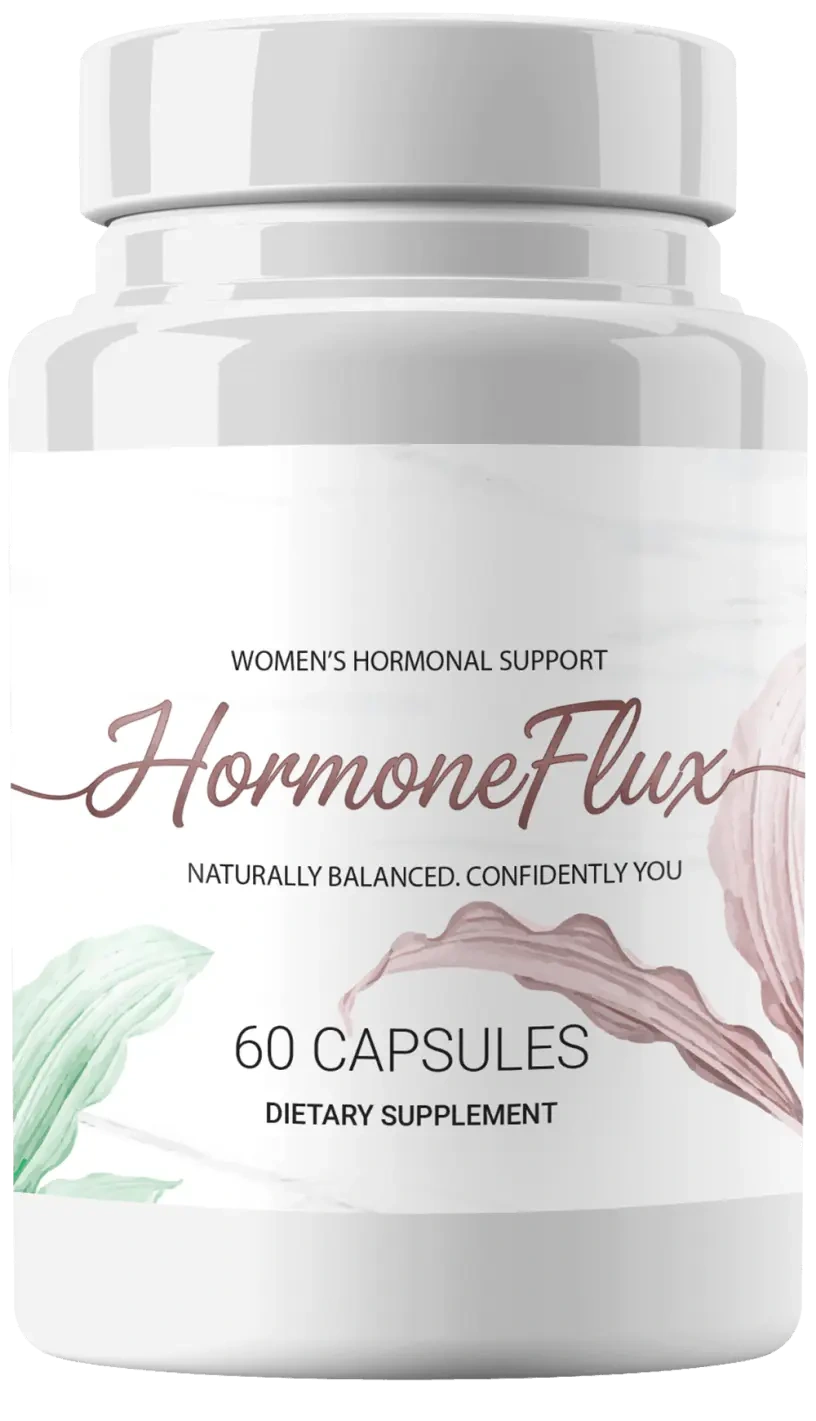
Frequently asked questions
Is maca or ashwagandha better for energy?
They approach energy from different directions. Maca is traditionally used for a bright, get-up-and-go kind of vitality and stamina, while ashwagandha is used to steady the stress response so tiredness that comes from feeling wired eases off. For many women the honest answer is not either-or but both, which is why HormoneFlux includes them together rather than asking you to choose.
Can you take maca and ashwagandha together?
Maca and ashwagandha are commonly combined in women's formulas because their traditional roles complement rather than duplicate each other, one leaning toward daytime vitality and the other toward a calmer stress response. HormoneFlux pairs both in a single daily vegetarian capsule. As with any supplement, anyone pregnant, nursing, or taking medication should check with a doctor first.
Does ashwagandha affect hormones in women?
Ashwagandha is an adaptogen best known for supporting the body's stress response, and because chronic stress and hormonal balance are linked, it is often discussed in a women's-wellness context. It is not a hormone and does not replace one. Research is most consistent for stress and sleep-quality measures rather than direct hormonal claims, so it is best seen as general support.
Is maca good for women's energy and libido?
Maca is a Peruvian root traditionally taken for stamina, everyday energy, and libido, and it is one of the more popular botanicals women reach for during perimenopause and beyond. The research signal is promising but not conclusive, so it is fair to describe maca as a traditionally used vitality support rather than a proven treatment.
How long do maca and ashwagandha take to work?
Both are gradual botanicals rather than same-day stimulants. Most women give a daily routine several weeks, and often eight to twelve, before judging how maca and ashwagandha fit. Taking them at the same time each day matters more than any single dose, and consistency is what the traditional use rewards.
Does HormoneFlux contain both maca and ashwagandha?
Yes. HormoneFlux combines maca and ashwagandha with black cohosh, chasteberry, dong quai and other women's botanicals in one daily capsule, so you get the daytime-vitality lean of maca and the stress-steadying lean of ashwagandha together. You can see the full panel in the HormoneFlux ingredients section.
Try HormoneFlux risk-free for 90 days →
HormoneFlux is a dietary supplement, not a treatment for any medical condition. These statements have not been evaluated by the Food and Drug Administration. This product is not intended to diagnose, treat, cure or prevent any disease. Always consult a qualified healthcare professional about your individual needs.
References & further reading
- National Center for Complementary and Integrative Health (NCCIH). Ashwagandha. nccih.nih.gov/health/ashwagandha
- Examine.com. Maca (Lepidium meyenii). examine.com/supplements/maca
- Examine.com. Ashwagandha (Withania somnifera). examine.com/supplements/ashwagandha
- National Institutes of Health & MedlinePlus. Maca. medlineplus.gov/druginfo/natural/555.html
- Brooks NA et al. Beneficial effects of Lepidium meyenii (Maca) on psychological symptoms and measures of sexual dysfunction in postmenopausal women are not related to estrogen or androgen content. Menopause, 2008. pubmed.ncbi.nlm.nih.gov/18784609
- Salve J et al. Adaptogenic and Anxiolytic Effects of Ashwagandha Root Extract in Healthy Adults: A Double-blind, Randomized, Placebo-controlled Clinical Study. Cureus, 2019. pubmed.ncbi.nlm.nih.gov/32021735
- Lee MS et al. Maca (Lepidium meyenii) for treatment of menopausal symptoms: A systematic review. Maturitas, 2011. pubmed.ncbi.nlm.nih.gov/21840656
These references describe the ingredients and their traditional use in general terms and do not constitute evidence that any product treats, cures or prevents any condition.
Keep reading: ashwagandha for women’s hormones · maca root for women’s energy · how to support hormone balance naturally · back to the HormoneFlux blog · homepage.