Wild Yam for Menopause in HormoneFlux, Explained

Updated September 2026 · reviewed by the HormoneFlux Research Team. We are an independent information resource, not a medical provider, and this article is educational rather than medical advice.
Wild yam for menopause is the traditional use of Dioscorea villosa, a North American vine root, to support the comfort of the midlife transition — and it is one of the eight botanicals inside HormoneFlux. The honest picture is that its folk reputation runs far ahead of its clinical evidence, which is exactly why it belongs as a supporting player in a thoughtful blend rather than a headline promise. This guide covers what the root actually is, the diosgenin myth, sensible dosage, safety, and why it earns its place in the formula.
Wild yam and menopause, in one honest paragraph.
- The short version
- Wild yam is a traditional women’s-tonic botanical for midlife comfort; the clinical evidence is thin, so treat it as gentle support, not a cure.
- The plant
- Dioscorea villosa — a twining North American vine whose root and rhizome go into supplements.
- The diosgenin myth
- Wild yam is not a natural progesterone; your body cannot convert its diosgenin into hormones.
- Typical amount
- Traditional products commonly use ~100–400 mg of root extract daily, the sensible range HormoneFlux stays within.
- Safety
- Generally well tolerated; not for pregnancy or nursing, and anyone on medication should ask a doctor first.
Few botanicals carry as much folklore — and as much marketing myth — as wild yam. It has a long history in traditional women’s herbalism, a starring role in a fascinating chapter of pharmaceutical history, and a modern reputation that has run well past what the science can support. In HormoneFlux it plays a modest, traditional supporting role, and the aim of this guide is to give you the clear-eyed version: what wild yam is, what it is not, and how to think about it sensibly.
What is wild yam, and where does it come from?
Wild yam is a climbing vine, Dioscorea villosa, whose knotted root and underground stem are dried and extracted for use in supplements. Native to the moist woodlands and thickets of eastern North America, the plant twines its way up neighbouring shrubs and has heart-shaped leaves and small greenish flowers. It is sometimes called colic root or American wild yam, a nod to its long folk use for cramping and digestive complaints before it became associated with women’s wellness.
For a label reader, the part that matters is that the useful material is the root and rhizome, not the leaves or vine, and that quality formulas use a standardised extract so each serving delivers a consistent amount. It is worth saying plainly that culinary yams from the grocery store are a different thing entirely; medicinal wild yam is a distinct species used in far smaller, concentrated amounts. The sweet potatoes and orange-fleshed “yams” sold in supermarkets share almost nothing with Dioscorea villosa beyond a loose common name, so there is no way to get a supplement dose from food.
Is Dioscorea villosa the same as the wild yam in supplements?
Yes — Dioscorea villosa is the botanical name for the wild yam used in women’s supplements, and the two terms describe the same plant. There are many Dioscorea species around the world, some grown for food and some for traditional medicine, but the one that appears in Western menopause blends is almost always Dioscorea villosa. If an ingredient panel lists either name, you are looking at the same root. This small point trips up shoppers who assume all yams are interchangeable — they are not.
Does wild yam contain natural progesterone?
Wild yam does not contain progesterone, and your body cannot turn it into progesterone — this is the single most important thing to understand about the plant. Wild yam root contains a saponin called diosgenin, and in the mid-twentieth century chemists learned to convert diosgenin, in a laboratory, into steroid hormones. That discovery helped launch the modern hormone and contraceptive industries. But the conversion is a multi-step industrial chemical process; the human body has no pathway to perform it. Eating or supplementing wild yam does not deliver progesterone, estrogen, or DHEA. That literature is reviewed in Dietz BM et al., Botanicals and Their Bioactive Phytochemicals for Women's Health, Pharmacological Reviews (2016).
This distinction matters because a lot of product marketing implies otherwise, sometimes selling “natural progesterone” creams built around wild yam. The U.S. National Institutes of Health resources are clear that whole wild yam is not a hormone and does not act as one in the body. HormoneFlux takes the honest position: wild yam is included for its traditional role in women’s herbalism, not as any kind of hormone source, and we say so plainly rather than leaning on the diosgenin story.
So why is wild yam linked to hormones at all?
Wild yam is linked to hormones because its diosgenin was the original raw material chemists used to synthesise the first affordable steroid hormones in the 1940s and 1950s, a genuine milestone in pharmaceutical history. That real story got compressed, over decades of retelling, into the false shorthand that the root itself is a hormone. The history is accurate; the leap from “lab starting material” to “natural hormone in a capsule” is not.
| Common claim about wild yam | What is actually accurate | Confidence |
|---|---|---|
| Long traditional use in women’s herbalism? | Yes — a documented folk history | High |
| Contains diosgenin? | Yes — that part is real chemistry | High |
| Body converts diosgenin to progesterone? | No — only a lab can do that | — |
| A source of natural hormones when taken? | No — whole root delivers none | — |
| Proven to treat menopause symptoms? | No — clinical evidence is limited | Low |
What are the main wild yam root benefits people look for?
The wild yam root benefits most associated with the plant centre on general comfort during the menopausal transition, rooted in traditional use rather than in strong clinical proof. Historically, women have reached for wild yam during perimenopause and menopause, and herbalists also used it for cramping and everyday digestive ease. These are traditional and general uses, and it is important to frame them as such rather than as medical outcomes.
- General menopausal comfort — the traditional reason it appears in women’s blends.
- Everyday cramp and digestive ease — the older “colic root” reputation.
- A non-hormonal traditional option — wild yam is not estrogen or progesterone.
- A complementary blend partner — it is used to round out formulas, not to carry them alone.
Does wild yam work as well as black cohosh?
No head-to-head evidence puts wild yam on the same footing as the better-studied menopause botanicals. Black cohosh, for instance, has a far larger research base and a clearer traditional case for hot-flash comfort, which is why it anchors the HormoneFlux formula while wild yam plays a supporting part. Treating the two as equals would misread the evidence.
The candid summary is that controlled human trials on wild yam for menopause are few, small, and inconclusive; one often-cited study of a wild yam cream found it well tolerated but with little measurable effect on symptoms. That is precisely why wild yam makes most sense as a supporting botanical in a broader formula, where it contributes its traditional character alongside better-evidenced ingredients rather than being asked to do the heavy lifting on its own.
What does the evidence say about wild yam for menopause?
The evidence for wild yam and menopause is limited and mixed, and no health authority lists it as a proven treatment for menopausal symptoms. Reference sources such as the NIH’s MedlinePlus and the independent analysts at Examine.com describe a botanical with deep traditional roots and an interesting chemistry story, but note that high-quality clinical support for symptom relief is lacking. In plain terms: the folk reputation is genuine and old, while the modern trial cupboard is nearly bare. The trial itself is Komesaroff PA et al., Effects of wild yam extract on menopausal symptoms, lipids and sex hormones in healthy menopausal women, Climacteric (2001).
This is the honest, evidence-led picture, and the one HormoneFlux stands behind. Wild yam is not a hero ingredient, and we do not present it as one. It is a traditional women’s botanical with a place in the herbal canon, which is why it appears as one voice in a chorus of eight — not a soloist promising results it cannot deliver. Understanding that keeps expectations realistic and shopping decisions sensible, and it is the fairest way to weigh any single-ingredient claim you meet online.

Want to see the exact dose in HormoneFlux?
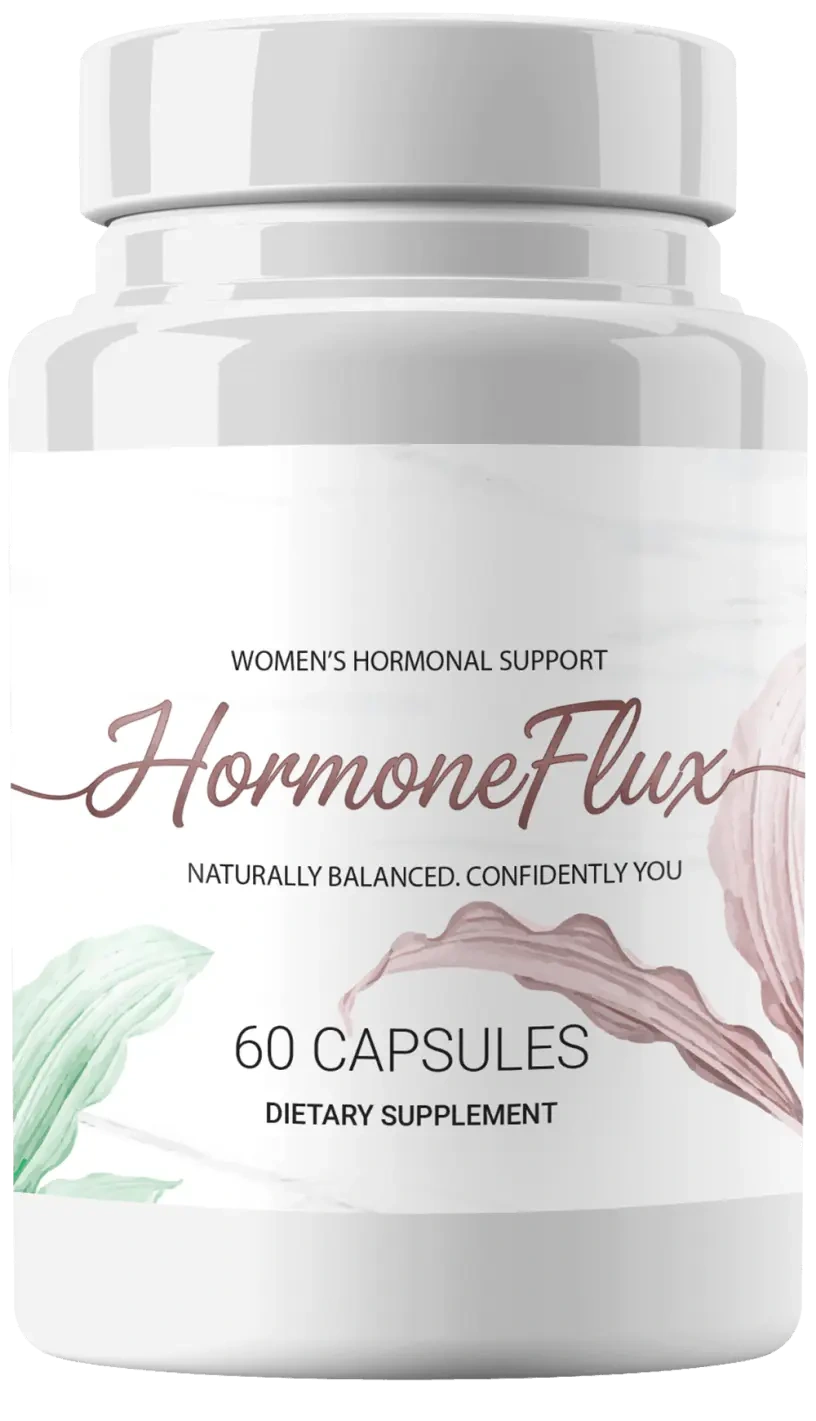
HormoneFlux pairs traditional wild yam root with black cohosh, chasteberry, dong quai, maca and more in one daily vegetarian capsule. The six-bottle bundle is the best value at $49 per bottle, with free U.S. shipping and a 90-day guarantee.
See the exact dose in HormoneFlux — from $49/bottleWhat is a sensible wild yam dosage?
A sensible wild yam dosage, based on traditional-use products rather than clinical standards, is a standardised root-and-rhizome extract in the region of 100 to 400 mg per day, often split across one or two servings. Because there is no formally established therapeutic dose, this range reflects common commercial practice and herbal tradition rather than trial-derived targets. As with most botanicals, more is not better; consistency at a moderate amount is what the tradition rewards.
HormoneFlux keeps its wild yam within a sensible everyday range and does not push it to extremes — the goal is a balanced eight-botanical blend, not one loud ingredient. Whatever product you use, follow the label, take it at the same time each day, and treat the numbers below as an orientation rather than a prescription. If you want the wider ingredient context, our full HormoneFlux review walks through the complete panel.
| Form | Common daily range | Notes |
|---|---|---|
| Standardised root/rhizome extract | ~100–400 mg | Reflects traditional-use products; often split into one or two servings. |
| As part of a women’s blend | Within a sensible range | How HormoneFlux uses it — alongside seven other botanicals. |
| Duration before judging | 8–12 weeks | Traditional support builds gradually; not a same-day remedy. |
| When to pause and ask a doctor | Any medication or condition | Especially hormone-sensitive concerns, pregnancy or nursing. |
Check today’s HormoneFlux pricing →

Is wild yam safe, and who should avoid it?
For most healthy adults, wild yam is generally well tolerated at the amounts used in supplements, with the most common complaints being mild and digestive, such as nausea at higher doses. That said, no botanical suits everyone. Wild yam is not recommended during pregnancy or breastfeeding, and because of its traditional association with women’s hormones, anyone with a hormone-sensitive condition should be cautious and speak with a doctor first. This is general information, not personal medical advice.
Because wild yam is a traditional support rather than a treatment, the sensible frame is simple: choose a quality standardised product, keep to the label, give it time, and loop in your doctor if you have any diagnosed condition, take prescription medicine, or notice anything that concerns you. For how these botanicals fit together across a routine, our primer on how to support hormone balance naturally is a useful companion read.
Why is wild yam part of the HormoneFlux blend?
Wild yam is part of HormoneFlux because it is one of the classic botanicals of the traditional women’s-tonic canon, giving the formula historical depth alongside its better-evidenced ingredients. Rather than betting on any single herb, HormoneFlux surrounds a standardised black cohosh core with chasteberry for monthly balance, dong quai and wild yam from the traditional women’s canon, and maca and sage for everyday vitality and comfort. The idea is coverage across the whole experience, not a spotlight on one sensation. The professional guidance on this is The North American Menopause Society, The 2023 nonhormone therapy position statement of The North American Menopause Society, Menopause (2023).
That design is also the honest answer to wild yam’s thin evidence: a well-considered blend lets each botanical contribute its traditional strength while the formula as a whole aims for steadier day-to-day comfort. See the complete panel in the HormoneFlux ingredients section, or compare notes with our deep dives on dong quai for women’s hormones and black cohosh for hot flashes.
Frequently asked questions
Does wild yam help with menopause symptoms?
Wild yam is a long-standing traditional botanical for the menopausal transition, and many women use it for general midlife comfort. The formal clinical evidence is limited and inconclusive, so it is best understood as gentle, traditionally used support rather than a proven remedy. Experiences vary from woman to woman, and it works best as one part of a broader routine.
What is Dioscorea villosa, and is it the same as wild yam?
Dioscorea villosa is the botanical name for wild yam, a twining vine native to North America whose root and rhizome are used in supplements. It is sometimes called colic root or American wild yam. The two names refer to the same plant, so if you see either on an ingredient panel you are looking at the same botanical.
Does wild yam contain natural progesterone or estrogen?
No. Wild yam contains a compound called diosgenin, which laboratories can convert into hormones through a chemical process, but your body cannot make that conversion on its own. Whole wild yam root is not a source of progesterone or estrogen, and taking the plant does not deliver hormones. This is an important distinction that a lot of marketing blurs.
What is a typical wild yam dosage?
There is no formally established dose, but traditional-use products commonly provide standardised root and rhizome extract in the range of roughly 100 to 400 mg per day, often split into one or two servings. HormoneFlux keeps its wild yam within a sensible everyday range as part of a multi-botanical blend. Follow the label and ask your doctor about the right amount for you.
Is wild yam safe to take?
For most healthy adults, wild yam is generally well tolerated in the amounts used in supplements, with occasional mild digestive upset. It is not recommended during pregnancy or breastfeeding, and anyone with a hormone-sensitive condition, taking medication, or managing a health problem should speak with a doctor before starting. This is general information, not medical advice.
Why is wild yam included in HormoneFlux?
Wild yam is one of the classic botanicals of the traditional women's-tonic canon, which is why it sits among the eight ingredients in HormoneFlux. It contributes to a blend built around the whole menopausal transition rather than one sensation, working alongside black cohosh, chasteberry, dong quai, maca and other women's botanicals.
Try HormoneFlux risk-free for 90 days →
HormoneFlux is a dietary supplement, not a treatment for any medical condition. These statements have not been evaluated by the Food and Drug Administration. This product is not intended to diagnose, treat, cure or prevent any disease. Always consult a qualified healthcare professional about your individual needs.
References & further reading
- National Institutes of Health / MedlinePlus. Wild yam. medlineplus.gov/druginfo/natural/970.html
- National Center for Complementary and Integrative Health (NCCIH). Menopausal Symptoms and Complementary Health Approaches. nccih.nih.gov/health/menopausal-symptoms-in-depth
- Examine.com. Wild Yam (Dioscorea villosa). examine.com/supplements/dioscorea-villosa
- Dietz BM et al. Botanicals and Their Bioactive Phytochemicals for Women's Health. Pharmacological Reviews, 2016. pubmed.ncbi.nlm.nih.gov/27677719
- Mayo Clinic. Menopause — Diagnosis & treatment. mayoclinic.org/diseases-conditions/menopause
- Komesaroff PA et al. Effects of wild yam extract on menopausal symptoms, lipids and sex hormones in healthy menopausal women. Climacteric, 2001. pubmed.ncbi.nlm.nih.gov/11428178
- The North American Menopause Society The 2023 nonhormone therapy position statement of The North American Menopause Society. Menopause, 2023. pubmed.ncbi.nlm.nih.gov/37252752
These references describe the ingredient and its traditional use in general terms and do not constitute evidence that any product treats, cures or prevents any condition.
Keep reading: dong quai for women’s hormones · black cohosh for hot flashes · how to support hormone balance naturally · back to the HormoneFlux blog · homepage.