Dong quai for women: the ‘female ginseng’ in the HormoneFlux blend

Updated September 2026 · reviewed by the HormoneFlux Research Team. We are an independent information resource, not a medical provider, and this article is educational rather than medical advice.
Dong quai (Angelica sinensis) is a root long used in traditional Chinese medicine and nicknamed “female ginseng” for its historic role as a women’s tonic across the monthly cycle and the midlife years. In a modern formula it is one supporting botanical among several — valued for tradition and everyday circulation support rather than as a treatment for any disease — and this guide explains what dong quai is, what the evidence does and does not show, and how it sits inside the HormoneFlux blend.
Dong quai for women, in one place.
- What it is
- The dried root of Angelica sinensis, a celery-family plant used in Chinese medicine for centuries.
- Why “female ginseng”
- Like ginseng it is a general tonic, but its traditional focus is women’s wellbeing — the cycle and menopause.
- How it is used
- Traditionally for menstrual comfort, menopausal ease and healthy circulation; usually blended with other herbs, not taken alone.
- What the evidence shows
- Human studies are limited and mixed; dong quai is a traditional support, not a proven treatment for any condition.
- In HormoneFlux
- One of eight women’s botanicals in the daily capsule, alongside black cohosh, chasteberry and maca.
Few herbs carry as much history in women’s wellness as dong quai — often seen under its botanical name, angelica sinensis, or its folk name, female ginseng. This guide separates the tradition from the evidence in plain language, and shows where the botanical fits into a modern daily capsule.
What is dong quai, and why is it called female ginseng?
Dong quai is the dried root of Angelica sinensis, a fragrant celery-family plant native to China, Japan and Korea, and it has been a cornerstone of traditional Chinese herbal medicine for well over a thousand years. The nickname “female ginseng” comes from the way the root has been used — not because it is botanically related to ginseng, but because, like ginseng, it was prized as a restorative tonic, with its traditional emphasis placed squarely on women’s health through menstruation, childbirth recovery and the menopausal transition.
In classical practice dong quai is almost never used on its own. It appears in time-honoured multi-herb formulas, where it is combined with other botanicals to “move and nourish the blood” — the traditional framework practitioners use to describe circulation and vitality. That blend-first tradition is exactly why modern supplements tend to include dong quai as one thread in a wider botanical tapestry rather than as a stand-alone remedy.
How does dong quai work in the body?
Dong quai is thought to act through a mix of plant compounds rather than a single dramatic mechanism, which is why its effects are described as gentle and cumulative rather than fast. The root is rich in coumarins, phytosterols, polysaccharides and, most discussed of all, ferulic acid and ligustilide — compounds that researchers have studied for antioxidant activity and effects on blood vessels and smooth muscle. That literature is reviewed in Dietz BM et al., Botanicals and Their Bioactive Phytochemicals for Women's Health, Pharmacological Reviews (2016).
Is dong quai a source of estrogen?
Dong quai is often assumed to be a phytoestrogen herb, but that assumption oversimplifies the picture. Unlike soy or red clover, dong quai is not a strong source of isoflavones, and laboratory studies of its estrogen-like activity have produced mixed and sometimes contradictory results. The safest reading of the science is that dong quai’s traditional benefits are better explained by its circulation-related and antioxidant compounds than by any clear-cut hormonal effect — a useful nuance for anyone weighing herbs by how “estrogenic” they are.
See the exact dose in HormoneFlux →
What are the traditional dong quai benefits for women?
The traditional dong quai benefits cluster around three themes — the monthly cycle, the menopausal transition and general circulation — all framed as everyday support rather than medical treatment. Below is how each has been used, with a clear note on where evidence is strong, weak or simply absent.
Dong quai and the monthly cycle
In traditional practice dong quai is one of the most frequently chosen herbs for menstrual comfort, used to ease the cramping and heaviness some women feel around their period. This is a long-standing folk use rather than a proven clinical effect, so it is best thought of as traditional support that some women find helpful as part of a wider routine, not as a remedy for painful or irregular periods, which always deserve a doctor’s review.
Dong quai during perimenopause and menopause
Dong quai is a familiar name in the menopause conversation, where it is traditionally taken for comfort during the hormonal shifts of midlife. It is worth being honest here: a well-known controlled trial of dong quai used on its own found it no more effective than placebo for hot flashes, which is one reason modern formulas pair it with better-studied menopause botanicals such as black cohosh rather than relying on it alone. If menopause is your main concern, our guide to black cohosh and chasteberry for menopause is a useful companion read.
Dong quai for circulation and everyday vitality
Much of dong quai’s traditional reputation rests on the idea of “moving the blood” — supporting healthy circulation and a general sense of vitality. Modern interest in ferulic acid and ligustilide echoes that history, and while the human evidence is still limited, this circulation-and-tonic role is the thread that most consistently runs through dong quai’s thousand-year story and its place in blended formulas today. If that is where you are, start with wild yam for menopause.

What does the research actually say about angelica sinensis?
The honest summary is that angelica sinensis has a deep traditional record but a thin modern clinical one, so confident health claims are not supported by high-quality human trials. Most of the promising findings come from laboratory and animal studies of isolated compounds, which cannot be assumed to translate into effects in women taking a capsule. Reviews from bodies such as the U.S. National Center for Complementary and Integrative Health consistently describe the botanical evidence in this category as limited, and that caution is the right lens to keep. That literature is reviewed in Lin HQ et al., Danggui Buxue Tang (Astragali Radix and Angelicae Sinensis Radix) for menopausal symptoms: A review, Journal of Ethnopharmacology (2017).
This is not a reason to dismiss dong quai, but it is a reason to treat any product containing it as a support for good habits rather than a shortcut around them — and to expect it blended with other botanicals, since no single traditional herb carries the weight of proof to stand alone.
| Dong quai at a glance | Detail |
|---|---|
| Botanical name | Angelica sinensis (celery / Apiaceae family) |
| Common names | Dong quai, dang gui, female ginseng, Chinese angelica |
| Part used | Dried root |
| Key compounds | Ferulic acid, ligustilide, coumarins, polysaccharides |
| Traditional role | Women’s tonic — cycle comfort, menopausal ease, circulation |
| Evidence level | Limited human data; mostly traditional and preclinical |
| Usual form | Blended with other herbs, rarely taken alone |

Dong quai in a ready-made daily blend
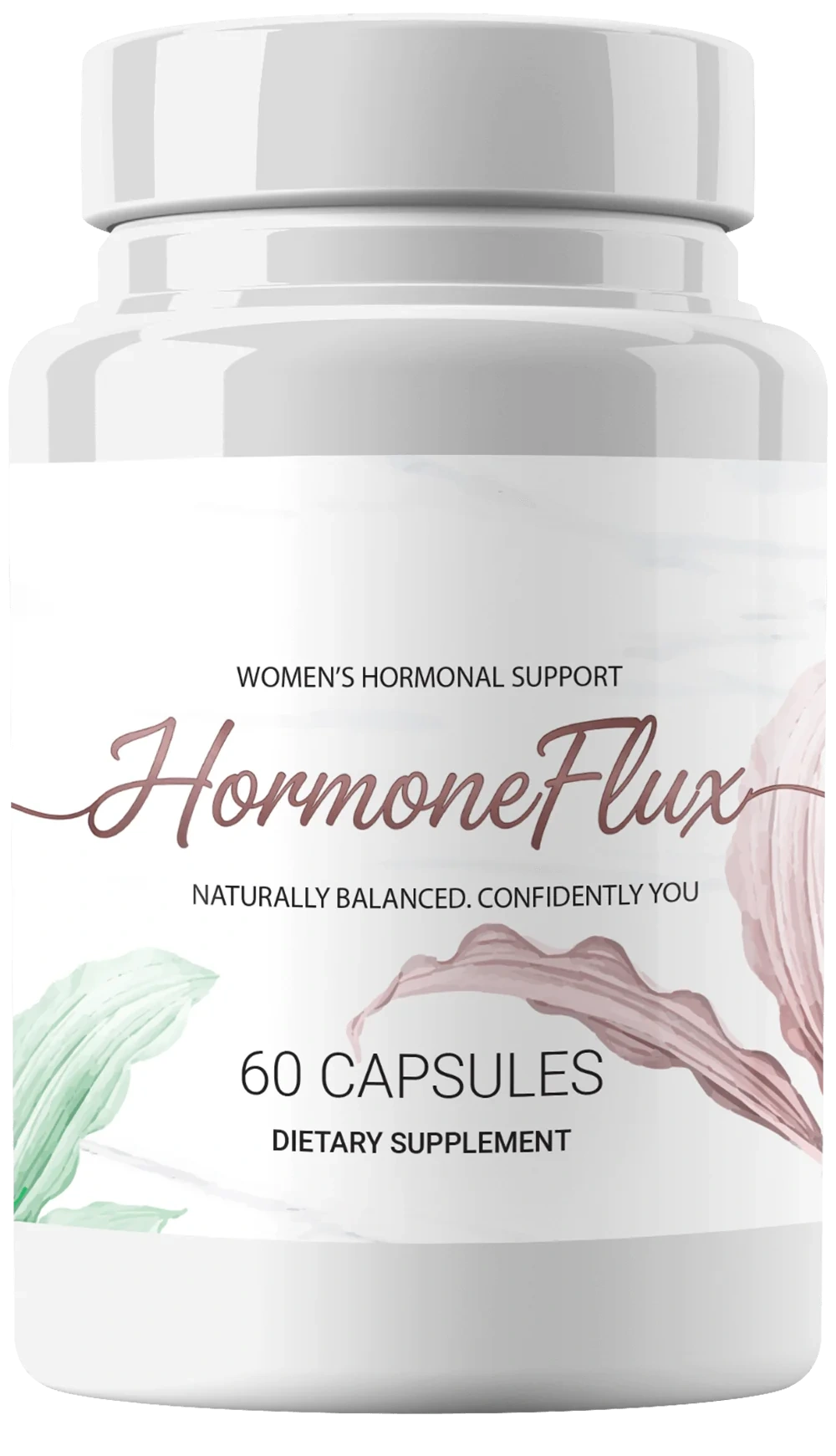
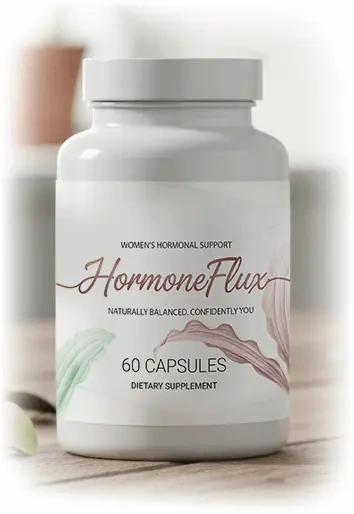
HormoneFlux pairs dong quai with black cohosh, chasteberry, maca and four more women’s botanicals in one once-daily vegetarian capsule. The six-bottle bundle is the best value at $49 per bottle, with free U.S. shipping and a 90-day guarantee.
Check today’s HormoneFlux pricing →How does dong quai fit into the HormoneFlux blend?
Inside HormoneFlux, dong quai is one of eight traditional women’s botanicals combined in a single daily capsule, chosen to reflect the blend-first way these herbs have always been used. Rather than leaning on any one root, the formula pairs dong quai with black cohosh and chasteberry — the two most-studied names in menopause and monthly balance — plus maca, wild yam, sage, red clover and ashwagandha, so each botanical plays a supporting part.
That design mirrors the traditional logic behind dong quai itself: a supporting thread within a wider formula. For the full picture, see the complete HormoneFlux ingredients section, read our overview of how to support hormone balance naturally, or explore the best foods for hormone balance that make any supplement work harder.
| Botanical | Traditional focus | Evidence weight |
|---|---|---|
| Dong quai | Cycle comfort, circulation, general tonic | Traditional; limited human data |
| Black cohosh | Menopausal comfort | Among the more-studied menopause herbs |
| Chasteberry (vitex) | Premenstrual and monthly balance | Some supportive research |
| Red clover | Isoflavone (phytoestrogen) source | Mixed menopause data |
| Maca | Energy, stamina, vitality | Emerging, limited |
| Ashwagandha | Stress resilience and calm | Growing adaptogen research |
How do you take dong quai safely?
Dong quai is generally considered well tolerated by most healthy adults for short-term use, but it carries a few specific cautions that matter more than its gentle reputation suggests. The two best-known are photosensitivity — dong quai can make skin more reactive to sunlight because of its coumarin content — and a potential blood-thinning effect, which is why it deserves real caution around surgery or certain medications. The professional guidance on this is The North American Menopause Society, The 2023 nonhormone therapy position statement of The North American Menopause Society, Menopause (2023).
Who should avoid dong quai or check with a doctor first?
Some women should not take dong quai without medical guidance, and knowing who is on that list is part of using any botanical responsibly. Speak with your doctor before using dong quai (or any product containing it) if you are pregnant or trying to conceive, breastfeeding, under 18, taking blood thinners such as warfarin, using hormone therapy or the contraceptive pill, scheduled for surgery, or living with a hormone-sensitive condition. As with the whole category, dong quai is a support for everyday wellbeing, not a substitute for medical care, and anything new is worth a quick conversation with a professional who knows your history.
Frequently asked questions
What is dong quai used for in women's health?
Dong quai (Angelica sinensis) is a Chinese medicine root traditionally used to support the monthly cycle, ease menopausal discomfort and promote healthy circulation. In modern supplements like HormoneFlux it is one supporting botanical among several, not a treatment for any disease.
Why is dong quai called female ginseng?
Dong quai earned the nickname female ginseng because, like ginseng, it has been used for centuries as a general tonic, but its traditional focus is women's wellbeing across the cycle and midlife. The name reflects tradition rather than a proven hormonal effect.
Does dong quai contain estrogen or phytoestrogens?
Dong quai is not a strong source of phytoestrogens the way soy or red clover are, and studies on its estrogen-like activity are mixed. Its traditional benefits are usually attributed to plant compounds such as ferulic acid and ligustilide rather than a clear estrogenic effect.
Is dong quai safe to take every day?
For most healthy adults short-term daily use is generally considered well tolerated, but dong quai may increase sensitivity to sunlight and can have a blood-thinning effect. Anyone pregnant, nursing, on anticoagulants or on hormone therapy should speak to a doctor first.
How long does dong quai take to work?
Botanicals build their support gradually, so most women give dong quai several weeks to a few months of consistent daily use rather than expecting an immediate effect, and results vary from person to person.
How much dong quai is in HormoneFlux?
Dong quai is one of eight women's botanicals in the HormoneFlux daily capsule, blended alongside black cohosh, chasteberry, maca and wild yam. You can see the full formula on the HormoneFlux ingredients page and the current product label.
Try HormoneFlux risk-free for 90 days →
HormoneFlux is a dietary supplement, not a treatment for any medical condition. These statements have not been evaluated by the Food and Drug Administration. This product is not intended to diagnose, treat, cure or prevent any disease. Dong quai may not be suitable for everyone; always consult a qualified healthcare professional about your individual needs.
References & further reading
- National Center for Complementary and Integrative Health (NCCIH). Menopausal Symptoms and Complementary Health Approaches. nccih.nih.gov/health/menopausal-symptoms-in-depth
- Examine.com. Dong Quai (Angelica sinensis). examine.com/supplements/dong-quai
- Dietz BM et al. Botanicals and Their Bioactive Phytochemicals for Women's Health. Pharmacological Reviews, 2016. pubmed.ncbi.nlm.nih.gov/27677719
- Mayo Clinic. Menopause — symptoms & causes. mayoclinic.org/diseases-conditions/menopause
- National Center for Complementary and Integrative Health (NCCIH). Black Cohosh. nccih.nih.gov/health/black-cohosh
- Lin HQ et al. Danggui Buxue Tang (Astragali Radix and Angelicae Sinensis Radix) for menopausal symptoms: A review. Journal of Ethnopharmacology, 2017. pubmed.ncbi.nlm.nih.gov/28163116
- The North American Menopause Society The 2023 nonhormone therapy position statement of The North American Menopause Society. Menopause, 2023. pubmed.ncbi.nlm.nih.gov/37252752
These references describe the ingredient and habits in general terms and do not constitute evidence that any product treats, cures or prevents any condition.
Keep reading: the best foods for hormone balance · black cohosh & chasteberry for menopause · how to support hormone balance naturally · back to the HormoneFlux blog · homepage.