Adaptogens for Women: The HormoneFlux Guide to Maca & Ashwagandha

Updated September 2026 · reviewed by the HormoneFlux Research Team. We are an independent information resource, not a medical provider, and this article is educational rather than medical advice.
Adaptogens for women are plants — maca and ashwagandha chief among them — traditionally used to help the body meet everyday stress and hold steady energy through the ups and downs of hormonal shifts, and both anchor the everyday side of HormoneFlux. They are best understood as gentle daily support with a real but still-emerging evidence base, not as a quick fix. This guide explains what adaptogens are, which adaptogenic herbs suit women, how maca and ashwagandha work together, and how HormoneFlux uses them.
Adaptogens for women, in one honest paragraph.
- The short version
- Adaptogens like maca and ashwagandha are traditionally used for stress resilience and steady energy; the research is promising but still developing, so treat them as daily support, not a cure.
- The two headliners
- Maca for daytime energy and vitality; ashwagandha for a calmer response to everyday stress — the pairing HormoneFlux uses.
- Typical use
- Everyday amounts taken consistently, ideally at the same time each day, as part of a blend rather than megadosed alone.
- Timeframe
- They build gradually; most women give an adaptogen several weeks — often 8 to 12 — before judging the fit.
- Safety
- Generally well tolerated; not for pregnancy or nursing, and anyone with a thyroid condition or on medication should ask a doctor first.
Few wellness words have spread as fast as “adaptogen.” It appears on coffee, on teas, and on nearly every women’s supplement shelf — often with more marketing than nuance. In HormoneFlux, two of the best-known adaptogens, maca and ashwagandha, sit deliberately beside the formula’s women’s botanicals. Below we unpack what the category actually means, where the science stands, and how to think about these herbs without overpromising.

What are adaptogens, and how do they work for women?
Adaptogens are a group of plants traditionally used to help the body adapt to everyday stress and return to a steadier baseline, rather than acting on one symptom the way a targeted remedy might. The word comes from mid-twentieth-century research on how certain botanicals seemed to blunt the body’s reaction to physical and mental strain. It describes a pattern of traditional use and emerging science — not a regulated drug class — so the honest framing is “supportive herbs with an evolving evidence base,” not “proven treatments.” That literature is reviewed in Dietz BM et al., Botanicals and Their Bioactive Phytochemicals for Women's Health, Pharmacological Reviews (2016).
For women specifically, the appeal is that hormonal shifts — monthly cycles, perimenopause, menopause — often arrive with the same companions: uneven energy, a shorter fuse for stress, and disrupted sleep. Adaptogens are reached for as a way to feel a little more even through those changes. They do not replace hormones and they are not hormone therapy; the goal is day-to-day steadiness around the transition.
The proposed mechanism is worth understanding because it explains both the promise and the limits. Rather than pushing one system hard, adaptogens are thought to nudge the body’s stress-response machinery — the network that governs how you react to pressure — toward a calmer, more regulated set point. That is a subtle, whole-system idea, which is exactly why effects tend to be gentle and gradual rather than dramatic, and why they are hard to capture in a short trial. It also explains why an adaptogen can feel useful for stress and energy at once: both are downstream of the same regulation.
Is “adaptogen” a scientific term or a marketing one?
It is a bit of both, which is why it pays to read carefully. The concept has genuine roots in pharmacology and a growing body of studies on individual herbs, but the label itself is not tightly regulated, so it gets stamped on products with little inside. What matters on a panel is the actual plant, the part used, and a sensible amount — not the buzzword. HormoneFlux names its adaptogens plainly: maca root and ashwagandha, in everyday quantities.
What adaptogenic herbs are best for women?
The adaptogenic herbs women turn to most are maca, ashwagandha, and rhodiola, with maca and ashwagandha the pairing most often used together for everyday energy and stress resilience. Each has a slightly different traditional emphasis, and none is a cure-all — the “best” one depends on what you are hoping to support. The table below sketches how the popular options are traditionally framed, so you can match an herb to a goal rather than to hype. That question is taken apart in more detail in our piece on what to look for in a menopause supplement.
| Adaptogenic herb | Traditionally used for | Evidence signal |
|---|---|---|
| Maca (Lepidium meyenii) | Steady daytime energy, vitality, mood | Emerging — some positive studies |
| Ashwagandha (Withania somnifera) | Calmer response to everyday stress, sleep | Growing — several stress trials |
| Rhodiola (Rhodiola rosea) | Mental stamina, fatigue resistance | Mixed — smaller studies |
| Holy basil (Ocimum sanctum) | General stress ease, calm | Early — limited data |
HormoneFlux focuses on the two with the most everyday relevance for women — maca and ashwagandha — rather than stacking every trendy herb into one capsule. That restraint is intentional: a formula does more when each ingredient is present in a meaningful amount than when a long label spreads itself thin. For a closer look at one of them on its own, our maca root for women’s energy and ashwagandha for women’s hormones guides go deeper.
How do maca and ashwagandha adaptogens work together in HormoneFlux?
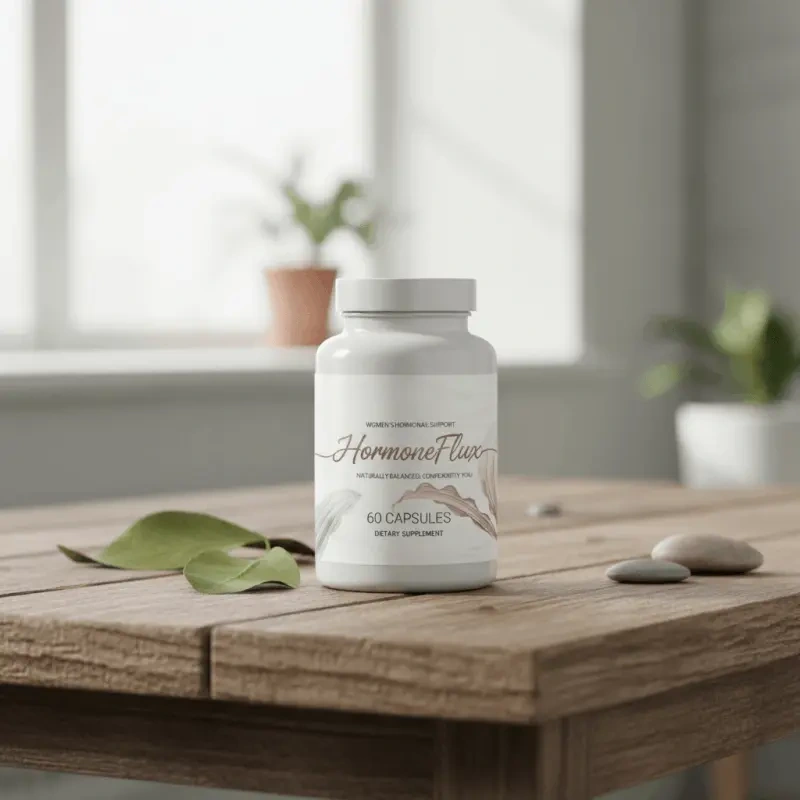
Maca and ashwagandha are paired in HormoneFlux because they are traditionally used for complementary jobs: maca is the energising, vitality-leaning root, and ashwagandha is the calming, stress-buffering one. Rather than pulling in opposite directions, they aim at the same outcome from two angles — steadier energy without the jitter of stimulants, and a more even response to everyday pressure. Think of maca as raising the floor on your daytime energy and ashwagandha as lowering the ceiling on your stress reactivity. A systematic summary of that work is Lee MS et al., Maca (Lepidium meyenii) for treatment of menopausal symptoms: A systematic review, Maturitas (2011).
Maca (Lepidium meyenii) is a hardy root vegetable grown high in the Peruvian Andes, dried and powdered for supplements and traditionally used to support energy, stamina and mood. Ashwagandha (Withania somnifera) is a small shrub central to Ayurvedic practice, whose root is used to help the body meet stress and settle at the end of the day. Neither is a hormone, and neither is a stimulant — part of why they suit an everyday, take-it-and-forget-it routine.

Want to see the exact dose in HormoneFlux?
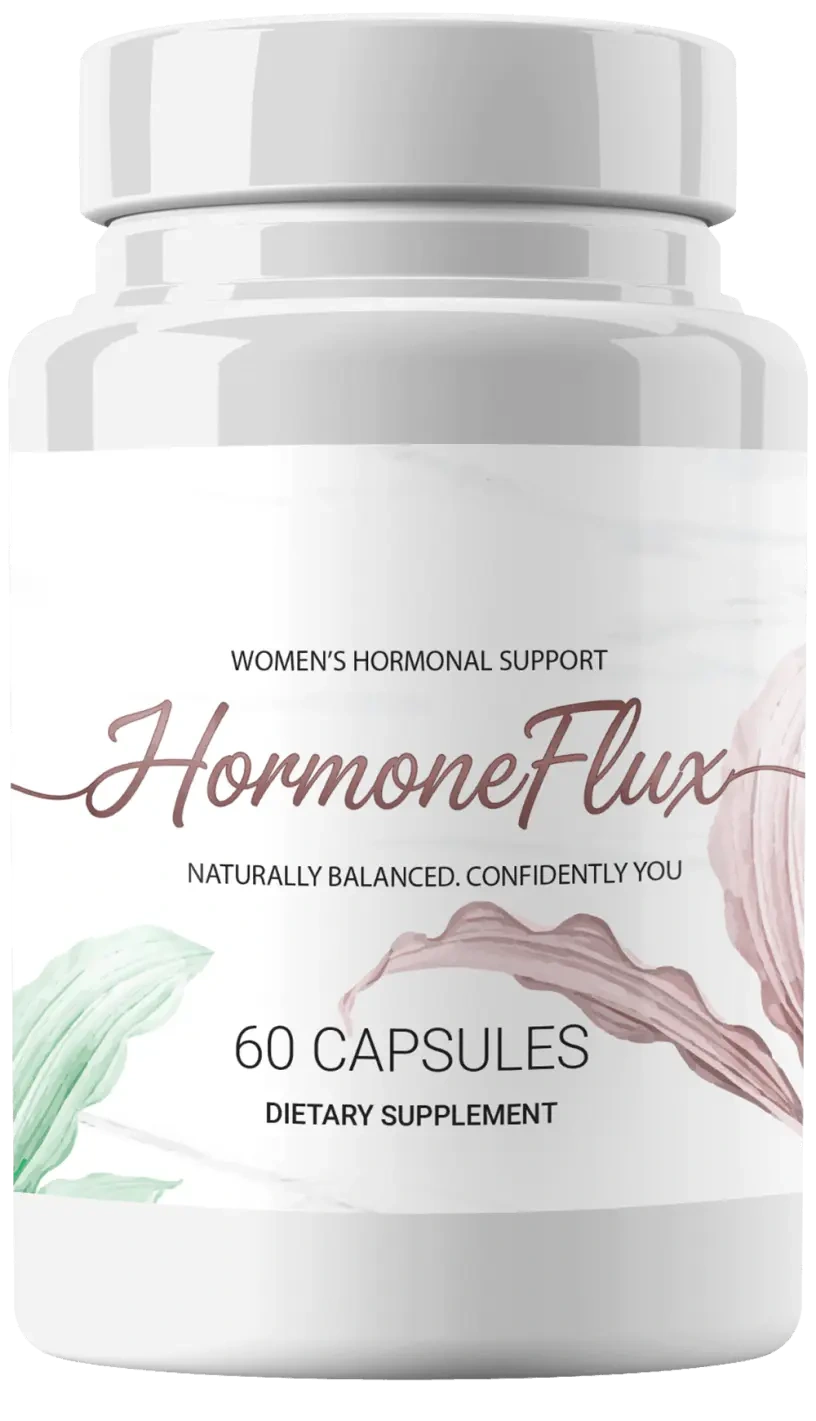
HormoneFlux pairs maca and ashwagandha with black cohosh, chasteberry, dong quai and more in one daily vegetarian capsule. The six-bottle bundle is the best value at $49 per bottle, with free U.S. shipping and a 90-day guarantee.
See the exact dose in HormoneFlux — from $49/bottleCan adaptogens help with stress and energy?
Adaptogens are traditionally used for stress resilience and steady energy, and the modern research is cautiously encouraging without being conclusive. Ashwagandha has the strongest signal of the two: several randomised trials have looked at its effect on self-reported stress and stress-related markers, generally reporting improvements, though studies are often small and short. Maca has been studied for energy, mood and wellbeing with some positive results, particularly in menopausal women, but again the trials are modest in size. The fair summary is “promising and worth trying, not proven.” The trial itself is Salve J et al., Adaptogenic and Anxiolytic Effects of Ashwagandha Root Extract in Healthy Adults: A Double-blind, Randomized, Placebo-controlled Clinical Study, Cureus (2019).
What that means in practice is a mindset of patience rather than expectation. Adaptogens are not stimulants; you will not feel a jolt an hour after the first capsule. Their reputation is built on gradual, cumulative steadiness, which is why the numbers that matter are weeks of consistent use, not milligrams in a single dose. The table below sets realistic expectations for how women typically use them. For the wider picture, our guide to phytoestrogens vs adaptogens follows the same thread.
| What to expect | Realistic guidance | Notes |
|---|---|---|
| How to take it | Daily, same time each day | Consistency beats any single large dose. |
| As part of a blend | Everyday amounts | How HormoneFlux uses maca and ashwagandha. |
| Time before judging | 8–12 weeks | Builds gradually; not a same-day effect. |
| When to pause and ask a doctor | Thyroid, medication, pregnancy | Especially ashwagandha with thyroid concerns. |
Check today’s HormoneFlux pricing →

How do you use adaptogens safely?
For most healthy adults, maca and ashwagandha are generally well tolerated when taken daily at the amounts used in supplements, with the most common complaints being mild and digestive. As with any botanical, though, they are not right for everyone. Neither is recommended during pregnancy or breastfeeding. Ashwagandha in particular deserves care if you have a thyroid condition, because it may affect thyroid activity, and anyone taking sedatives, thyroid medication, or other prescriptions should check with a doctor before starting. This is general information, not personal medical advice.
The sensible frame is the same one that applies to every ingredient in a thoughtful blend: choose a quality product, keep to the label, give it several weeks, and loop in your doctor if you have a diagnosed condition or take medication. Because HormoneFlux delivers maca and ashwagandha in everyday quantities as part of a wider formula rather than as isolated megadoses, it is designed to fit a simple once-daily routine. For the bigger picture on lifestyle and diet, see our primer on how to support hormone balance naturally.
Why do maca and ashwagandha anchor the HormoneFlux everyday blend?
Maca and ashwagandha anchor the everyday side of HormoneFlux because the stress and energy dips that come with hormonal change are exactly what these two adaptogens are traditionally used to steady. The formula is built around the transition — black cohosh, chasteberry and dong quai handle the classic menopausal and cyclical territory — while maca and ashwagandha cover the resilience layer that sits underneath all of it. One addresses the sensations; the other addresses how well you cope with them day to day.
That two-layer design also answers the honesty problem raised earlier: because single-herb evidence is still developing, a blend lets each botanical contribute its traditional strength toward a steadier whole rather than resting the entire promise on one plant. You can see the complete panel in the HormoneFlux ingredients section, or read the full HormoneFlux review for how the formula fits together.
Frequently asked questions
What are adaptogens, in simple terms?
Adaptogens are a group of plants, such as maca and ashwagandha, that are traditionally used to help the body cope with everyday stress and stay steady rather than to target one symptom. The term describes a pattern of traditional use and emerging research, not a proven drug class. They are best thought of as gentle daily support, and results vary from woman to woman.
Which adaptogenic herbs are best for women?
The adaptogenic herbs women reach for most are maca, ashwagandha, and rhodiola, with maca and ashwagandha the two most commonly paired for everyday energy and stress resilience. HormoneFlux uses maca and ashwagandha alongside its women's botanicals so the blend supports steady energy through hormonal shifts. The right herb depends on your goals, so read the label and ask your doctor.
How are maca and ashwagandha used together?
Maca and ashwagandha are commonly combined because they are traditionally used for complementary purposes: maca for steady daytime energy and vitality, and ashwagandha for a calmer response to everyday stress. Taken together as part of a daily blend, they aim to support resilience without the spike-and-crash of stimulants. HormoneFlux keeps both within everyday, well-precedented amounts.
Can adaptogens help with stress and energy?
Adaptogens are traditionally used for stress resilience and steady energy, and there is emerging research on ashwagandha for stress markers and on maca for energy and mood in some studies. The evidence is still developing rather than conclusive, so they are best seen as supportive rather than a treatment. Consistency over several weeks matters more than any single dose.
Are adaptogens safe to take every day?
For most healthy adults, maca and ashwagandha are generally well tolerated when used daily at the amounts found in supplements, with occasional mild digestive upset. They are not recommended during pregnancy or breastfeeding, and anyone with a thyroid condition, on medication, or with a health concern should speak with a doctor before starting. This is general information, not medical advice.
Why does HormoneFlux include maca and ashwagandha adaptogens?
HormoneFlux includes maca and ashwagandha because everyday stress and dipping energy travel alongside hormonal shifts, and these two adaptogens are the most established botanicals for steadiness and vitality. They sit beside black cohosh, chasteberry and dong quai so the formula supports both the transition and the day-to-day resilience around it, rather than one sensation alone.
Try HormoneFlux risk-free for 90 days →
HormoneFlux is a dietary supplement, not a treatment for any medical condition. These statements have not been evaluated by the Food and Drug Administration. This product is not intended to diagnose, treat, cure or prevent any disease. Always consult a qualified healthcare professional about your individual needs.
References & further reading
- National Center for Complementary and Integrative Health (NCCIH). Ashwagandha. nccih.nih.gov/health/ashwagandha
- National Institutes of Health / MedlinePlus. Maca. medlineplus.gov/druginfo/natural/555.html
- Examine.com. Ashwagandha (Withania somnifera). examine.com/supplements/ashwagandha
- Examine.com. Maca (Lepidium meyenii). examine.com/supplements/maca
- Dietz BM et al. Botanicals and Their Bioactive Phytochemicals for Women's Health. Pharmacological Reviews, 2016. pubmed.ncbi.nlm.nih.gov/27677719
- Mayo Clinic. Herbal supplements — what to know before you buy. mayoclinic.org/herbal-supplements
- Lee MS et al. Maca (Lepidium meyenii) for treatment of menopausal symptoms: A systematic review. Maturitas, 2011. pubmed.ncbi.nlm.nih.gov/21840656
- Salve J et al. Adaptogenic and Anxiolytic Effects of Ashwagandha Root Extract in Healthy Adults: A Double-blind, Randomized, Placebo-controlled Clinical Study. Cureus, 2019. pubmed.ncbi.nlm.nih.gov/32021735
These references describe the ingredients and their traditional use in general terms and do not constitute evidence that any product treats, cures or prevents any condition.
Keep reading: maca root for women’s energy · ashwagandha for women’s hormones · how to support hormone balance naturally · back to the HormoneFlux blog · homepage.